Congress fails to pass Clarity Act, pushing crypto firms abroad for regulations
The Clarity Act's failure in Congress prevents the cryptocurrency industry from obtaining necessary regulatory clarity, pushing businesses to seek favorable regulations abroad. This uncertainty could…
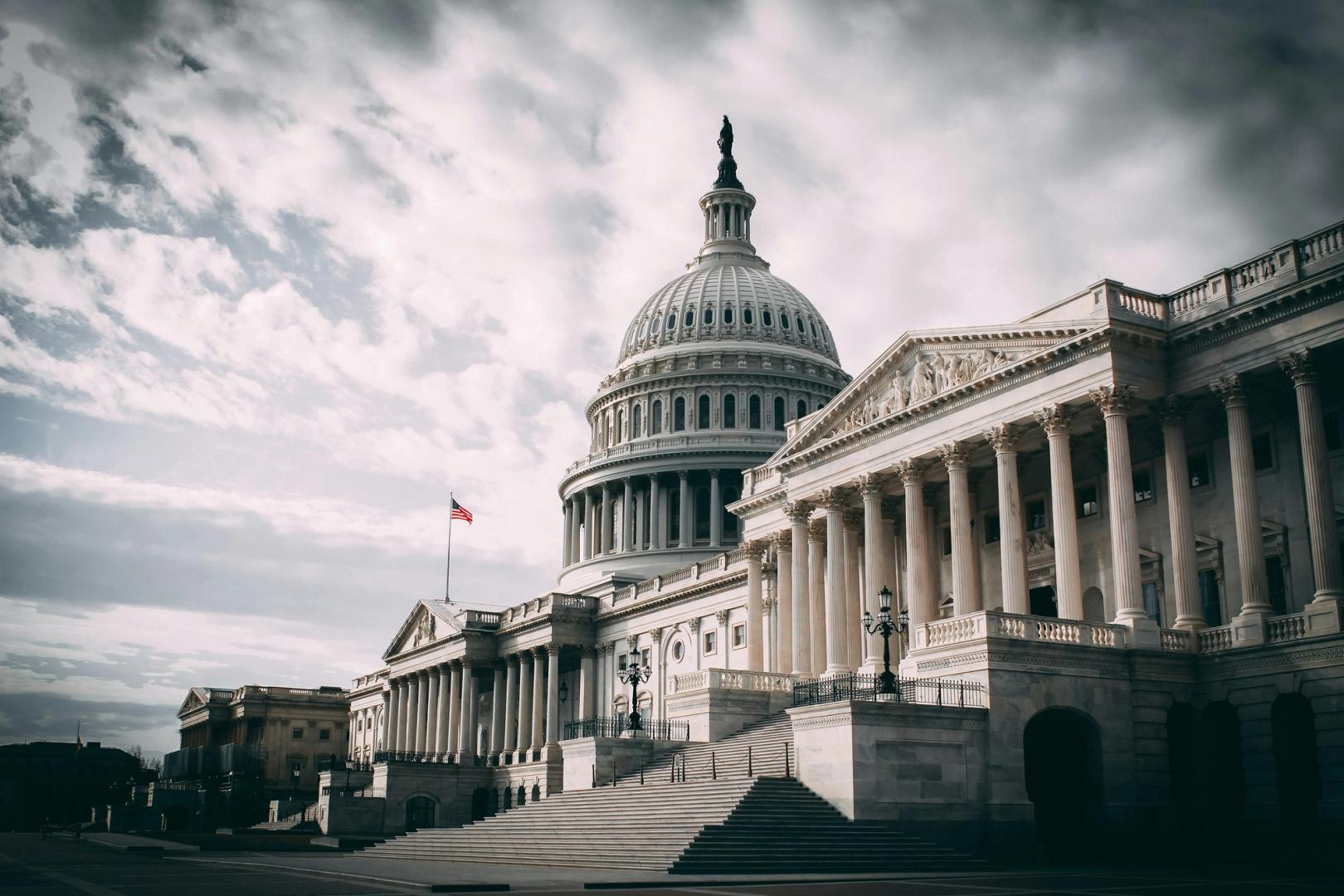
The recent failure of the Clarity Act in the U.S. Congress has left the cryptocurrency industry seeking legal clarity in other jurisdictions. The legislation aimed to provide a clear regulatory framework for digital assets but fell short in a divided Congress. This setback raises concerns for U.S. crypto businesses that have been advocating for more defined rules to operate confidently in the market.
The Clarity Act's failure comes amid increasing scrutiny of the cryptocurrency sector by regulators, including the Securities and Exchange Commission (SEC). Many in the industry have argued that a clear legal framework would foster innovation and protect investors. Without it, businesses face uncertainty, which can stifle growth and drive companies to relocate to more crypto-friendly environments. Countries like Singapore and the United Kingdom have been proactive in establishing regulations, making them attractive alternatives for U.S. firms seeking clarity.
Reactions from industry leaders have been swift and critical. Many express disappointment, emphasizing that the lack of legal guidance could deter investment and innovation in the U.S. crypto market. The Blockchain Association, for example, highlighted that the failure to pass the Clarity Act could hinder the U.S.'s ability to compete globally in blockchain technology. As firms weigh their options, some may choose to set up operations abroad, which could result in job losses and economic opportunities shifting overseas.
Looking ahead, the cryptocurrency industry will likely intensify its lobbying efforts for new legislation. There is a pressing need for lawmakers to revisit and refine the Clarity Act or propose new measures that can gain bipartisan support. The outcome will significantly impact the future landscape of cryptocurrency in the U.S. and its role in the global economy. If American firms continue to feel stifled by regulatory ambiguity, the U.S. risks losing its status as a leader in the burgeoning digital asset space.
Read Full Story at CoinDesk →