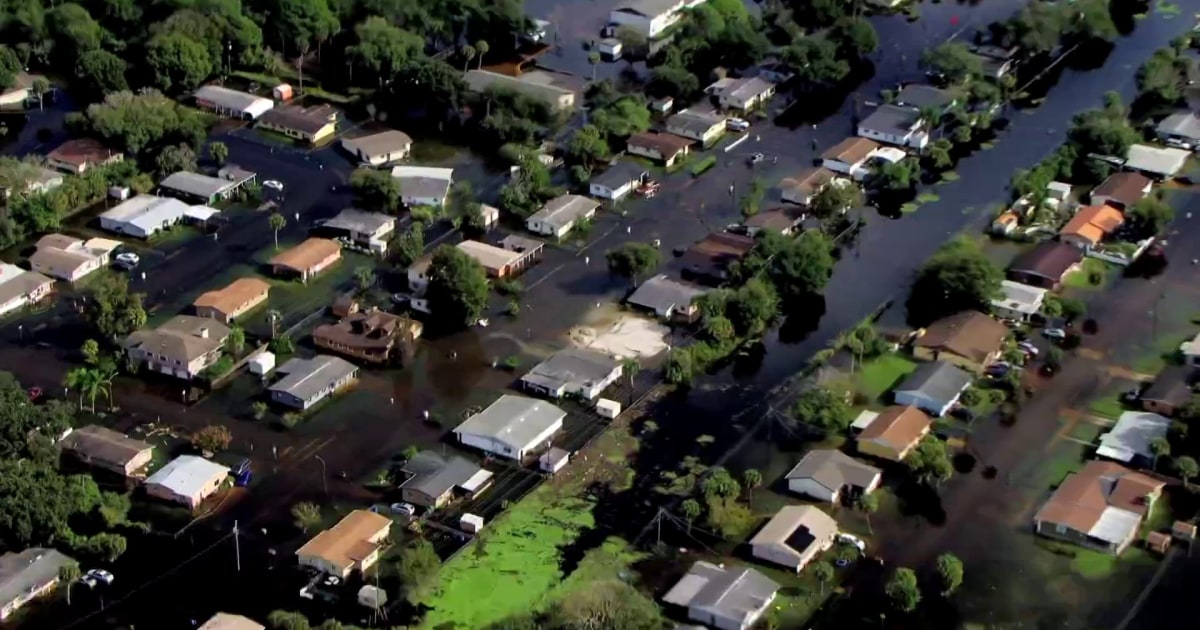
COP31 in Antalya ends without agreement on climate pact for food security
The COP31 climate talks in Antalya ended without a consensus on a crucial climate pact to address food security, forest conservation, and biodiversity, disappointing many delegates. Despite some agre…
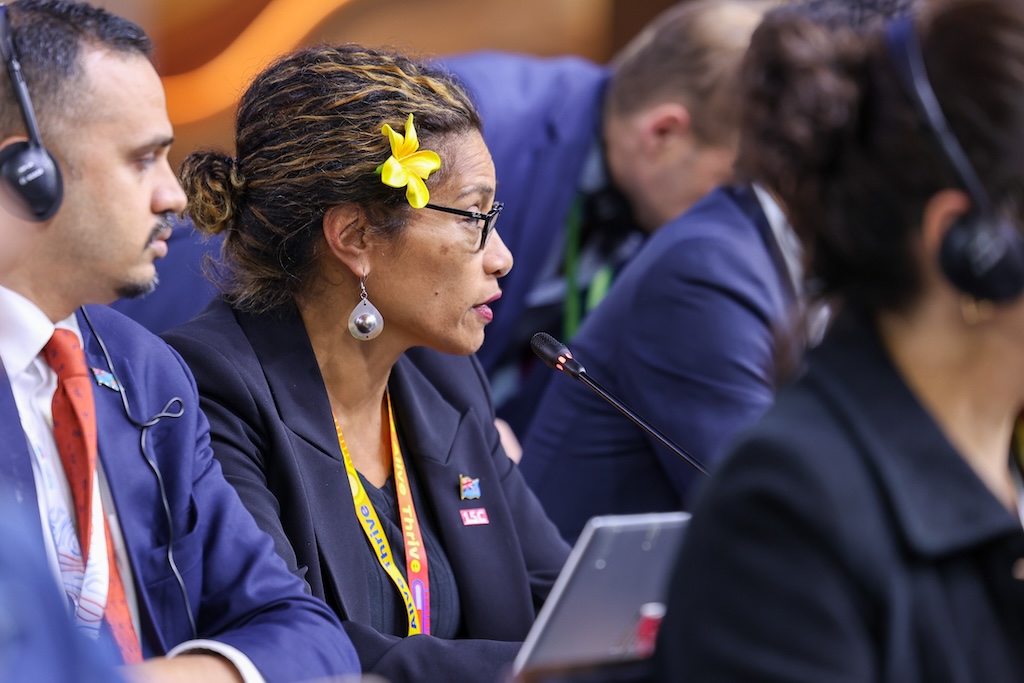
The COP31 climate talks in Antalya, Turkey, concluded without reaching a consensus on a critical climate “pact” aimed at addressing urgent issues related to food security, forest conservation, ocean protection, and biodiversity. Negotiators from nearly 200 countries struggled to finalize commitments, amid growing pressures from climate activists and scientists who warn that time is running out to mitigate the worst effects of climate change.
The discussions were particularly significant as they followed a series of alarming climate reports indicating accelerated global warming, extreme weather events, and biodiversity loss. The urgency for a comprehensive agreement has intensified as nations grapple with the impacts of climate change on agriculture, water resources, and ecosystems. This year's COP took place against the backdrop of escalating food prices and the ongoing fallout from conflicts that disrupt supply chains, making it increasingly vital for countries to collaborate on sustainable practices and conservation efforts.
Despite the lack of a binding pact, the talks did produce some agreements on specific issues, such as promoting sustainable agricultural practices and protecting marine ecosystems. However, many delegates expressed disappointment over the absence of concrete commitments. Key figures at the summit emphasized that without a unified approach, the goals outlined in the Paris Agreement could remain unattainable. Some critics argue that the failure to secure a solid pact reflects broader issues in international climate negotiations, including political division and a lack of urgency among major polluters.
Looking ahead, the outcomes from COP31 will likely shape future negotiations and actions at subsequent climate meetings. The lack of a strong agreement may hinder progress on critical environmental issues, but it also sets the stage for renewed advocacy and pressure from civil society groups. As the world faces increasingly severe climate challenges, the focus will shift to how countries can implement more aggressive climate policies and collaborate on solutions that protect both people and the planet.
Read Full Story at Carbon Brief →