Scientists discover DNA component that protected early life from UV radiation
Scientists found that a component of DNA, 5-hydroxymethyluracil, can absorb UV radiation and help early life on Earth survive harsh conditions without an ozone layer. This discovery enhances our unde…
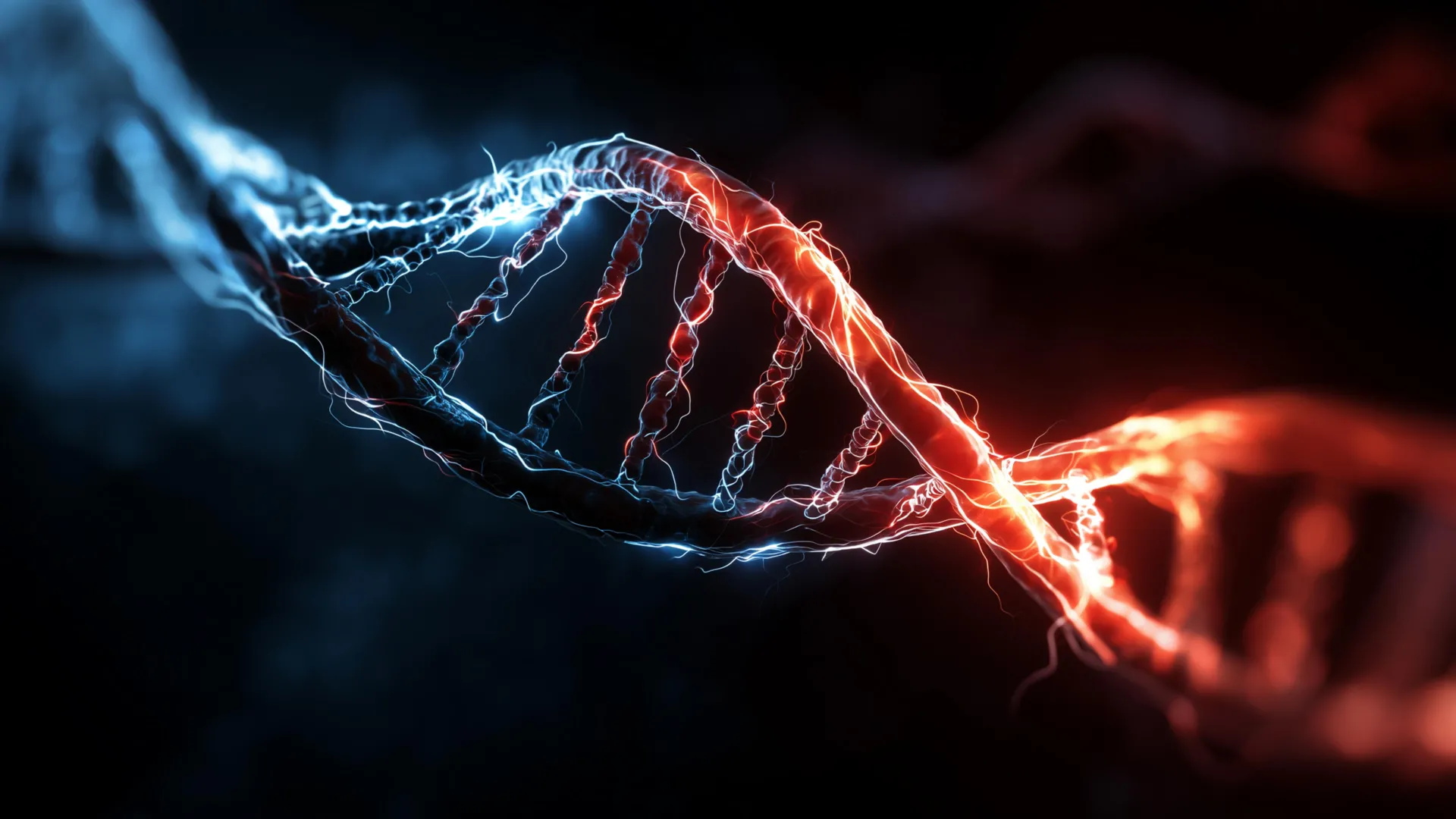
Scientists have discovered that a key component of DNA may have helped early life on Earth survive intense ultraviolet (UV) radiation. This finding reveals that DNA has a natural ability to convert potentially harmful damage from UV rays into forms that are easier for cells to repair. The research, published in a recent study, sheds light on how life managed to endure the harsh conditions of the planet’s formative years.
This discovery is significant because it addresses a long-standing question about how life began and thrived in an environment that was inhospitable due to high levels of UV radiation. During Earth's early days, the atmosphere lacked a protective ozone layer, exposing organisms to damaging radiation. Understanding the mechanisms that allowed life to survive these extreme conditions can provide insights into the resilience of early organisms and the evolutionary processes that followed.
The study highlights DNA's role beyond its well-known function of storing genetic information. Researchers found that specific components of DNA, particularly a molecule called 5-hydroxymethyluracil, can absorb UV radiation and mitigate its damaging effects. This finding could change the way scientists view DNA, suggesting it has evolved not only to replicate but also to protect life from environmental stressors. The implications of this research could extend to fields such as evolutionary biology and astrobiology, potentially influencing our understanding of life on other planets.
Looking ahead, scientists plan to conduct further research to explore how this protective mechanism evolved and how it may have influenced the development of more complex life forms. Understanding these processes could inform current studies on DNA repair and resilience in modern organisms, as well as guide the search for life in extreme environments elsewhere in the universe. This research opens new avenues for exploring the origins of life and the adaptability of biological systems under extreme conditions.
Read Full Story at ScienceDaily →