Maine's Narraguagus River salmon restoration faces climate change challenges
Atlantic salmon populations in the Narraguagus River are endangered, with only a few hundred adults returning to spawn annually due to overfishing, habitat loss, and climate change. Restoration effor…
On a recent canoe trip to the remote upper reaches of the Narraguagus River, Ellie Mason observed the prime habitat for Atlantic salmon. This river, along with its tributaries, is one of the wildest in Maine, characterized by its largely undeveloped landscape and rich forest surroundings. The cool, shaded areas provide essential refuges for the fish during hot summer days, and the rocky structures create ideal spawning environments. The potential for Atlantic salmon to thrive in this pristine setting has sparked interest among conservationists and local communities.
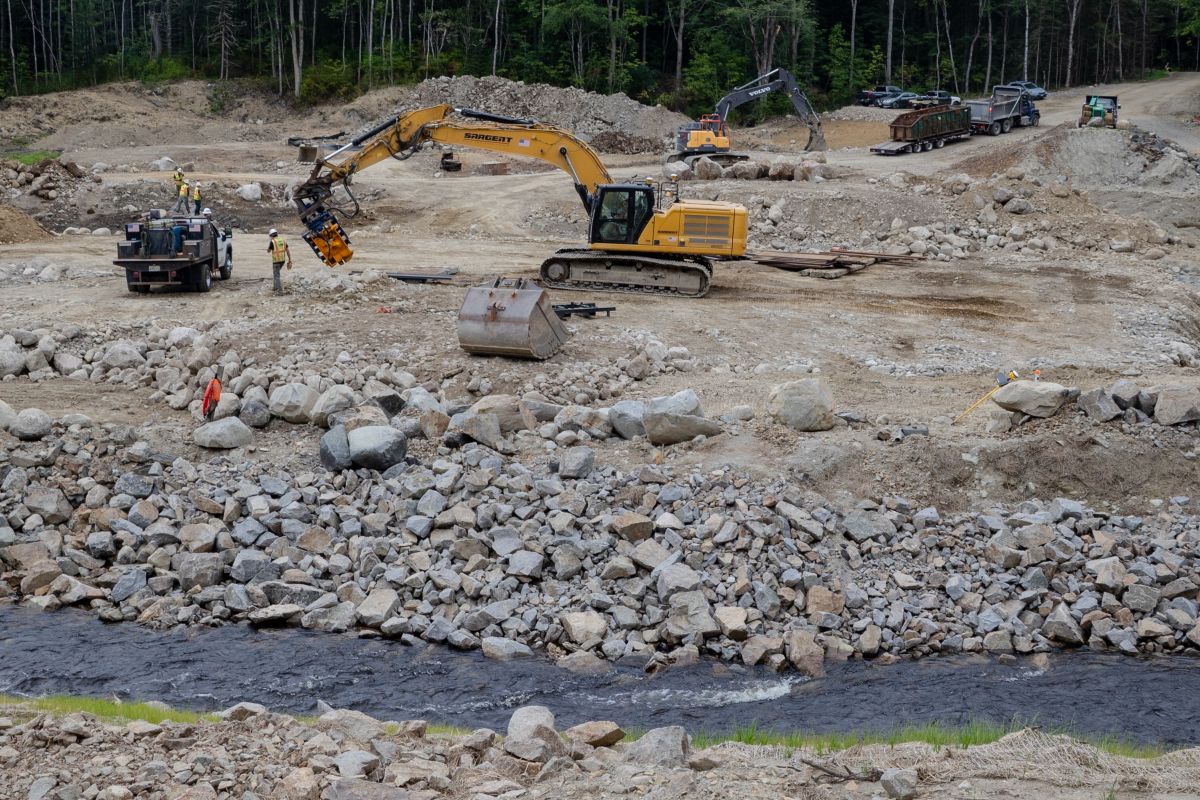
The Narraguagus River has faced significant challenges in recent decades, primarily due to overfishing, habitat loss, and climate change. Atlantic salmon populations have declined sharply, leading to their designation as endangered in the United States. The push for restoration efforts has gained momentum, especially as local stakeholders recognize the ecological and economic benefits of a healthy salmon population. Recent initiatives focus on removing dams and restoring riverine habitats, aiming to facilitate the natural migration of these fish. The current environment is ripe for change, as conservationists rally support to revive salmon runs and improve river health.
Data shows that Maine's Atlantic salmon population remains precarious. In recent assessments, only a few hundred adult salmon return to spawn each year, a stark contrast to historical numbers. Community leaders and environmental scientists are optimistic about the river's potential, but they acknowledge that climate change poses an ongoing threat. Rising water temperatures and altered precipitation patterns could undermine restoration efforts, affecting salmon survival rates and their ability to reproduce.
Looking ahead, the fate of the Atlantic salmon in the Narraguagus River will depend on collaborative efforts among government agencies, local communities, and conservation groups. Monitoring water quality and habitat conditions will be crucial. As climate conditions continue to evolve, adaptability will be key to ensuring the salmon's comeback. The success of these initiatives could serve as a model for other regions facing similar challenges, highlighting the importance of sustainable practices in the face of climate change.
Read Full Story at Inside Climate News →