Machu Picchu breaches 5,600 daily visitor cap
Peru’s tourism agency warned that Machu Picchu exceeds its 5,600 daily visitor limit, risking its UNESCO status. This overtourism crisis is driving a global shift toward sustainable, community-focuse…
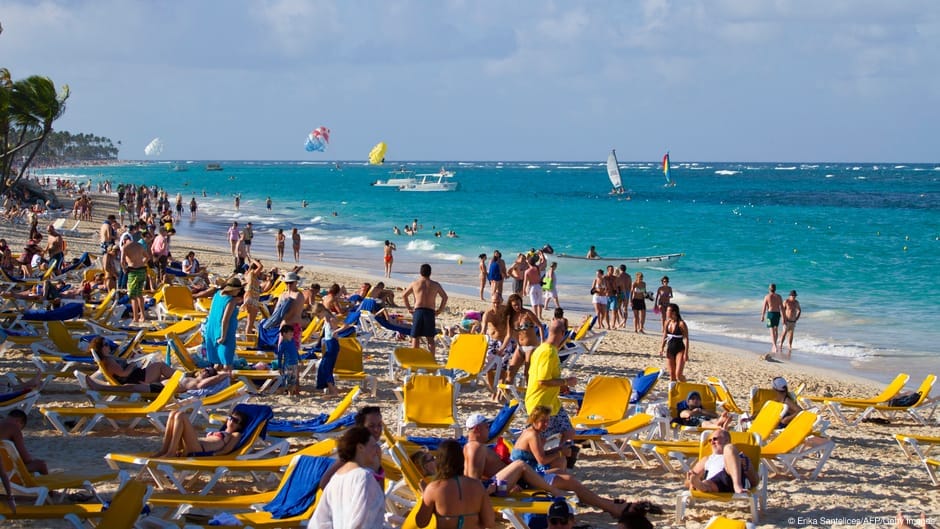
Peru’s tourism watchdog warned in 2025 that more tickets were being sold to Machu Picchu than permitted, sparking fears the site could be added to UNESCO’s List of World Heritage in Danger. The warning came after the agency discovered that visitor numbers were exceeding the daily limit of 5,600, a figure set to protect the fragile Inca citadel.
Latin America has seen a surge in international arrivals, with South America growing 7 % and Central America 5 % last year, both above the global average, according to the United Nations World Tourism Organization. The boom brings economic benefits, but it also fuels environmental damage and social tension. In Peru, the overuse of Machu Picchu threatens its cultural integrity. Ecuador has responded by doubling the entrance fee for foreign visitors to the Galápagos Islands to $200 in 2024, hoping to curb pressure on the islands’ ecosystems. Meanwhile, in Mexico City, rising rents in Roma and Condesa have sparked protests as digital nomads and tourists flood the neighbourhoods.
Tourism experts say the industry must shift toward more inclusive and sustainable models. Richard Bazan, regional manager for the Americas at Planeterra, notes that group sizes are shrinking, with travelers preferring intimate experiences over large tours. He adds that “nature‑positive” tourism, which funds reforestation and conservation projects, is gaining traction. Even large resorts are realizing they cannot isolate themselves from local communities and are now offering authentic, community‑connected experiences. “Community‑based tourism is no longer a niche,” Bazan says.
The push for change also comes from travellers. Booking.com’s 2025 annual survey of 32,000 people in 34 countries found that 93 % want to make more sustainable travel choices, and 53 % now understand tourism’s impact on local communities, not just the environment. Sarah Payne of the Reset Tourism Fund highlights that most money generated by tourism never reaches the communities that host visitors. She argues that access to financing is crucial but difficult for local groups. By redirecting funds into community projects and encouraging responsible travel, stakeholders hope to balance growth with preservation and equity.
Read Full Story at DW World →