Iran targets Kurdish region as US withdraws from Iraq
The U.S. withdrawal from Iraq has created a security vacuum that Iran aims to exploit, particularly in the Kurdish region, jeopardizing its autonomy. Kurdish leaders must unify their political strate…
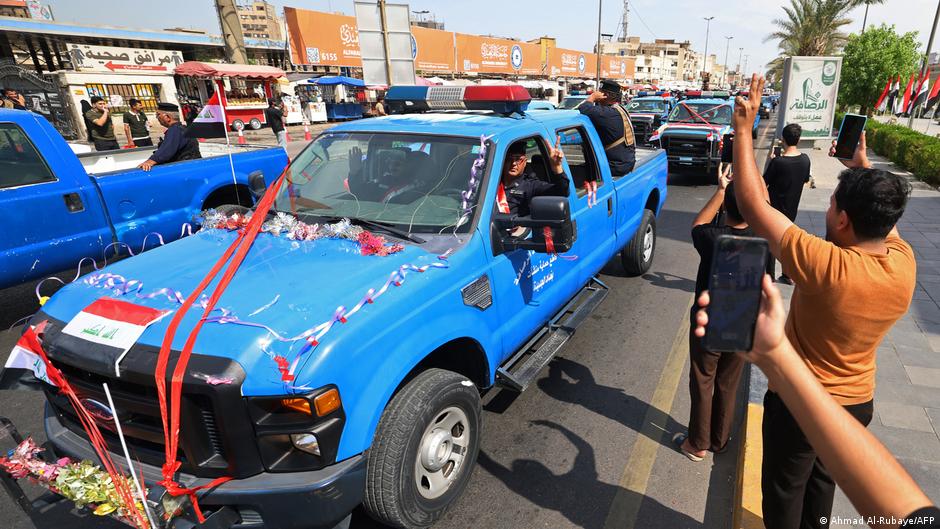
The United States ended its two‑decade‑long military mission in Iraq on Oct. 1, leaving a security vacuum that could be filled by Iran in the semi‑autonomous Kurdish region. Iraqi Prime Minister Ali al‑Zaidi marked the day as a “Day of Sovereignty and Independence,” while Tehran’s Islamic Revolutionary Guard Corps and Iranian‑backed Shiite militias publicly welcomed the withdrawal. In Erbil, the capital of the Kurdistan Region of Iraq (KRI), officials warned that the loss of American protection threatens the region’s autonomy.
The pull‑out comes as Baghdad pushes to centralise power and Iran eyes a chance to tighten its grip on the Kurdish border. For twenty years the KRI relied on U.S. forces to deter external threats and to balance Iraqi federal influence. With the U.S. gone, Tehran can increase pressure without fear of direct confrontation. Analysts say Iran’s plan is not a full‑scale invasion but a slow erosion of Kurdish self‑rule, using strikes on alleged Kurdish opposition camps and diplomatic pressure to turn Erbil into a purely administrative body with little room for independent action.
Experts stress that internal Kurdish divisions make the region especially vulnerable. The rivalry between the Kurdistan Democratic Party and the Patriotic Union of Kurdistan dates back to a civil war in the 1990s and continues to splinter Kurdish politics. Middle‑East analysts in Brussels and Tehran note that Iran has long exploited these fissures, supporting one faction against the other to keep the KRI weak and divided. “Without a united front, foreign powers simply have more room to operate,” said one analyst, highlighting how Tehran’s influence has grown by feeding the KDP‑PUK split.
If Kurdish leaders cannot reconcile their differences, Iran may deepen its foothold, reshaping the balance of power on Iraq’s western flank. The next weeks will test whether Erbil can forge a cohesive political strategy or become a pawn in Tehran’s regional agenda. The outcome will affect Iraq’s internal stability, Iran’s western frontier, and the broader geopolitics of the Middle East.
Read Full Story at DW World →