US strikes three Iranian sites after drone attack
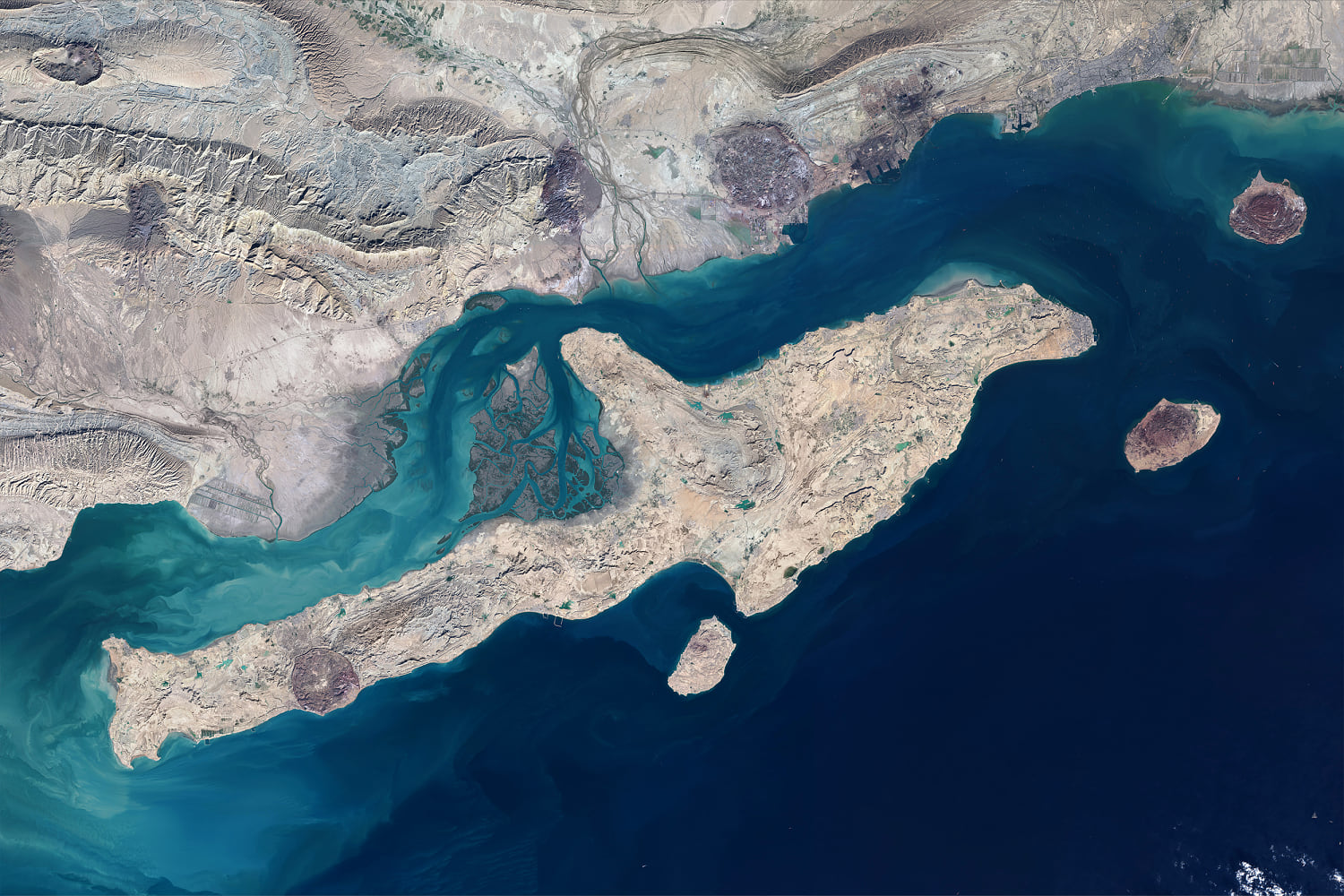
The U.S. conducted airstrikes on three Iranian locations after a suspected Iranian drone hit a commercial ship near the Strait of Hormuz, while Iran attacked Bahrain and Kuwait, raising regional tensi

The United States launched a second straight day of airstrikes inside Iran Friday, hitting three locations after a suspected Iranian drone targeted a
Read Full Story at Al Jazeera →Why This Matters
The escalation marks a dangerous new phase in regional hostilities, signaling that Iran is no longer content with proxy warfare and is willing to directly engage U.S. interests and Gulf allies. It also exposes the fragility of maritime security in the Strait of Hormuz, a critical chokepoint for global oil supplies, where even a single incident can send shockwaves through energy markets and geopolitical calculations.
Background Context
Bahrain and Kuwait have long been seen as stable U.S. partners in the Gulf, hosting American military bases and serving as diplomatic intermediaries. Iran’s decision to target them directly suggests a strategic shift, possibly reflecting frustration with stalled nuclear talks or a desire to test the Biden administration’s resolve amid shifting alliances in the Middle East.
What Happens Next
The next 72 hours will be pivotal, with the risk of further retaliatory strikes or a calibrated de-escalation if backchannel diplomacy succeeds. Analysts will closely monitor whether the U.S. expands its strikes or shifts to softer deterrence, while regional players like Saudi Arabia and the UAE may recalibrate their own security postures.
Bigger Picture
This confrontation fits a broader pattern of Iran testing U.S. red lines while avoiding full-scale war, leveraging asymmetric tactics to chip away at American influence. It also underscores the growing role of non-state actors in regional conflicts, where proxies like the Houthis or Hezbollah now operate with greater coordination and boldness.