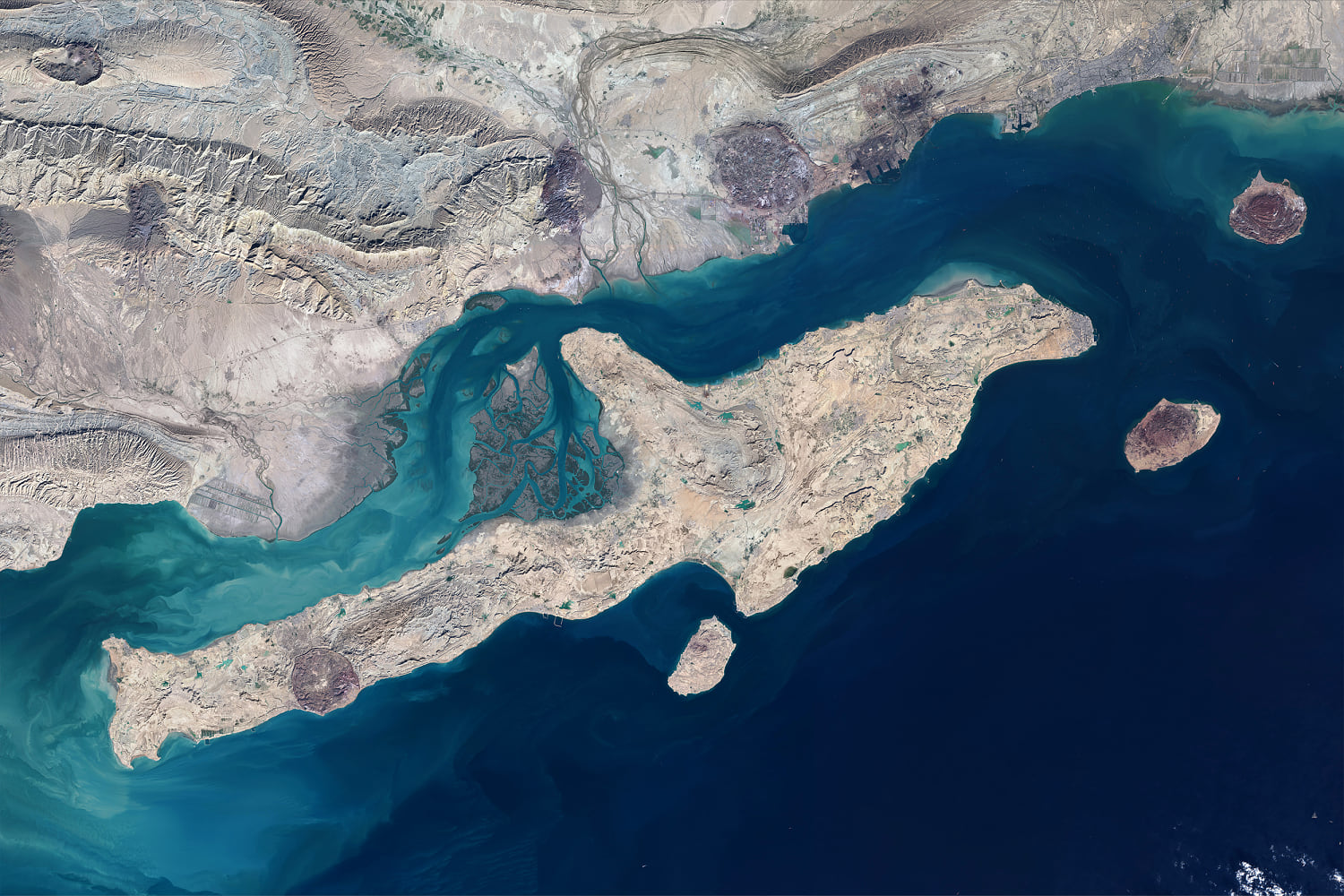
US bombs Iran's Sirik and Qeshm islands
The U.S. struck Iran's Sirik and Qeshm Island, marking the first direct hits on Iranian soil in years, as tensions escalate over shipping attacks. This risks disrupting global oil trade and triggering

The U.S. launched airstrikes on Iran’s Sirik and Qeshm Island, triggering air raid sirens in Bahrain and Kuwait as regional tensions spike. President
Read Full Story at Al Jazeera →Why This Matters
This marks the first direct U.S. military strikes on Iranian soil in decades, escalating a shadow conflict into overt confrontation. The precision targeting of Sirik and Qeshm—key logistical and military nodes—signals Washington’s willingness to absorb reciprocal risks rather than tolerate further provocations. The move underscores how rapidly regional spillover from Gaza and the Red Sea has expanded, forcing a recalibration of deterrence strategies where neither side can afford miscalculation.
Background Context
While the U.S. has conducted covert strikes and cyber operations in Iran, direct airstrikes on its territory were last seen during the 1980s Tanker War. The islands targeted host critical infrastructure for Iran’s Revolutionary Guard, including missile and drone facilities, amid a year of escalating maritime aggression—from tanker seizures to Houthi drone attacks on Israel. The strikes also coincide with Iran’s calculated ambiguity in its nuclear program, raising questions about whether this is a punitive raid or the opening salvo in a broader containment strategy.
What Happens Next
The most immediate risk is Iran’s response, which could range from cyberattacks on Gulf energy networks to asymmetric strikes via proxies in Iraq or Yemen. Regional allies like Bahrain and Kuwait—now under air raid warnings—may push for stronger U.S. security guarantees, potentially complicating de-escalation. Meanwhile, global oil markets will scrutinize shipping routes, where even a temporary disruption could trigger price volatility, testing the resilience of an already fragile economic recovery.
Bigger Picture
This escalation fits a broader pattern of direct military action to enforce red lines, from Ukraine to the South China Sea, where traditional deterrence increasingly fails. The shift reflects a U.S. strategy pivot toward preemptive strikes over diplomatic exhaustion, risking a cycle of retaliation that could destabilize the Middle East’s fragile security architecture. For Iran, the strikes may accelerate its push for a nuclear deterrent while testing whether its regional network of militias can deliver a proportional response without triggering a full-scale war.