NASA uses Fermi data to speed up pulsar discovery by million times
NASA's Fermi mission data has enabled a new, faster method for discovering pulsars, improving detection speed by about a million times using advanced machine learning techniques. This breakthrough co…
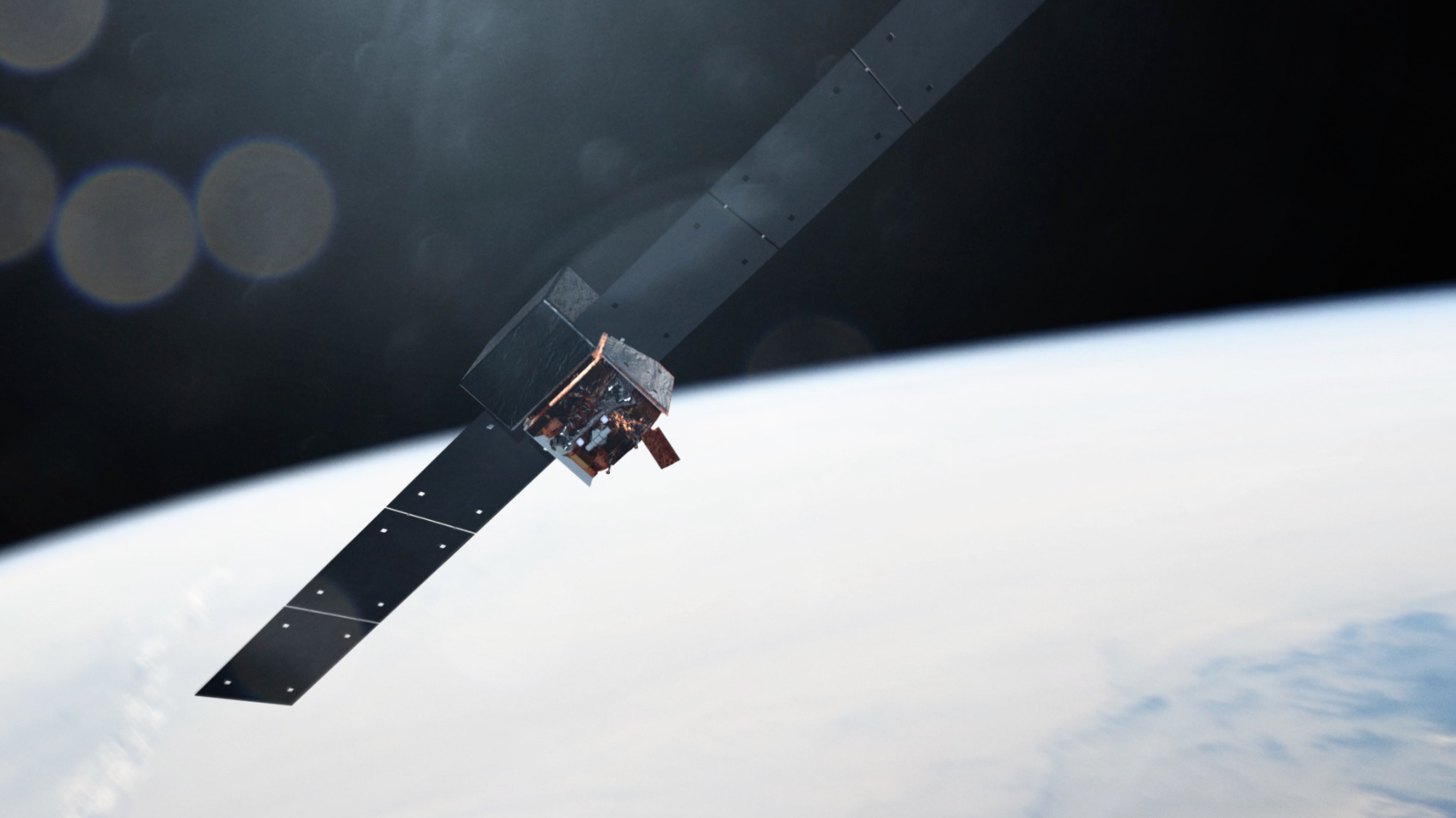
Open data from NASA’s Fermi mission has enabled an international team of scientists to develop a new method for discovering pulsars, significantly increasing the speed of detection by about a million times compared to previous techniques. This breakthrough was announced during a recent conference highlighting advancements in astrophysics and data analysis.
Pulsars are rapidly spinning neutron stars that emit beams of radiation. Finding them is crucial for understanding fundamental physics, including gravitational waves and the behavior of matter under extreme conditions. Traditional methods for identifying pulsars have been time-consuming and labor-intensive, often requiring extensive manual analysis of vast amounts of data. The Fermi mission, which has been collecting gamma-ray data since its launch in 2008, has provided scientists with a wealth of information that can be analyzed more effectively with new algorithms.
The new approach utilizes advanced machine learning techniques, allowing researchers to sift through Fermi's extensive open data more efficiently. This leap in technology not only enhances the speed of pulsar discovery but also opens up new possibilities for identifying previously hidden or faint pulsars. With approximately 2,000 known pulsars today, scientists estimate that there could be at least 10 times that number remaining undetected. The ability to find pulsars quickly can lead to significant advancements in astrophysical research and our understanding of the universe.
Looking ahead, this method could transform how astronomers explore the cosmos. As the data continues to flow from the Fermi mission and other observatories, researchers plan to refine their algorithms further. The implications are profound, potentially leading to new insights about cosmic phenomena and enhancing our understanding of the fundamental forces that govern the universe.
Read Full Story at NASA →