Scientists map 166,000 neurons in male fly brain
Scientists mapped all 166,000 neurons in a male fruit fly’s central nervous system, enabling direct comparison to the female fly brain for studying sex-specific behaviors. The detailed connectome aid…
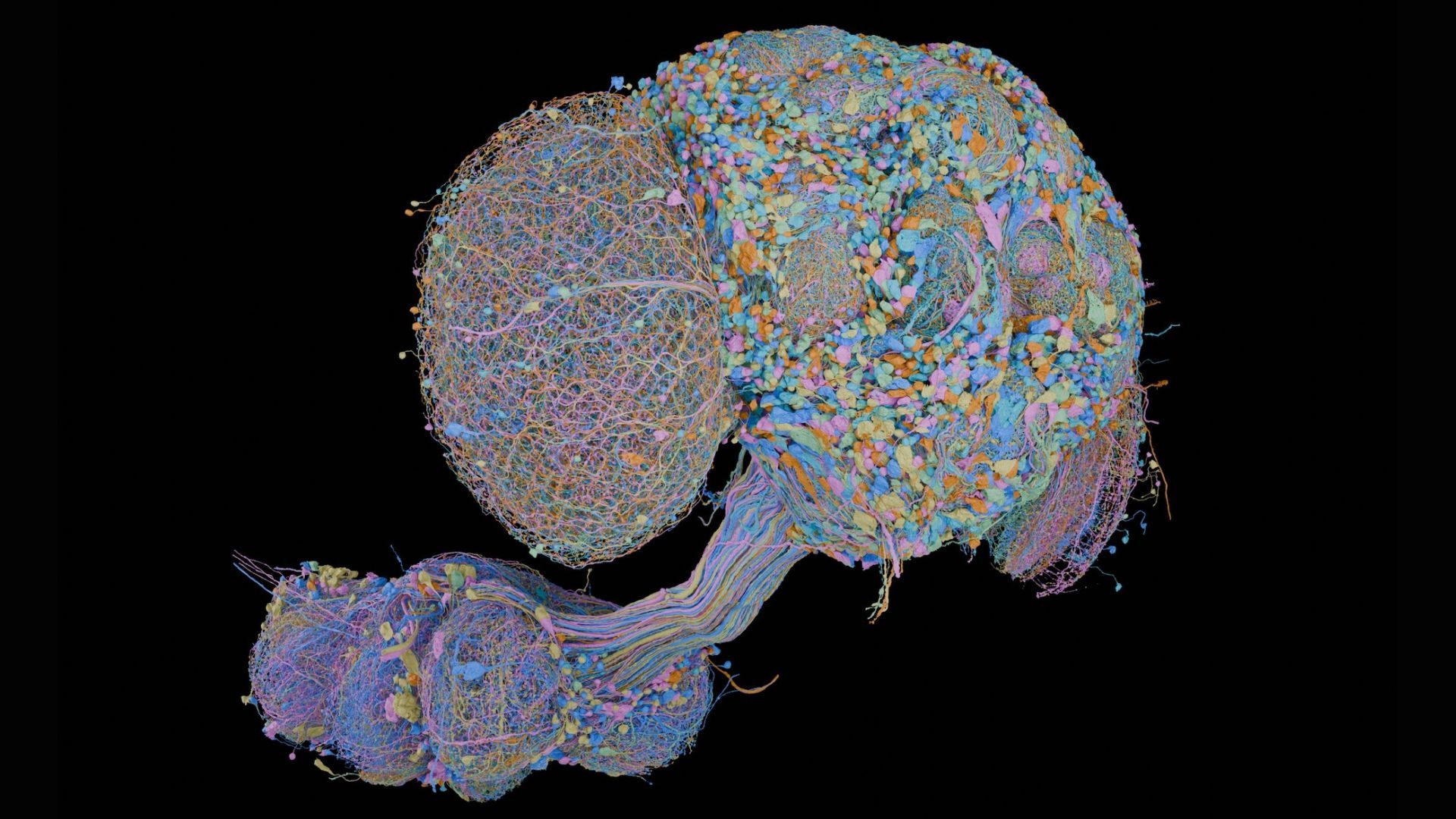
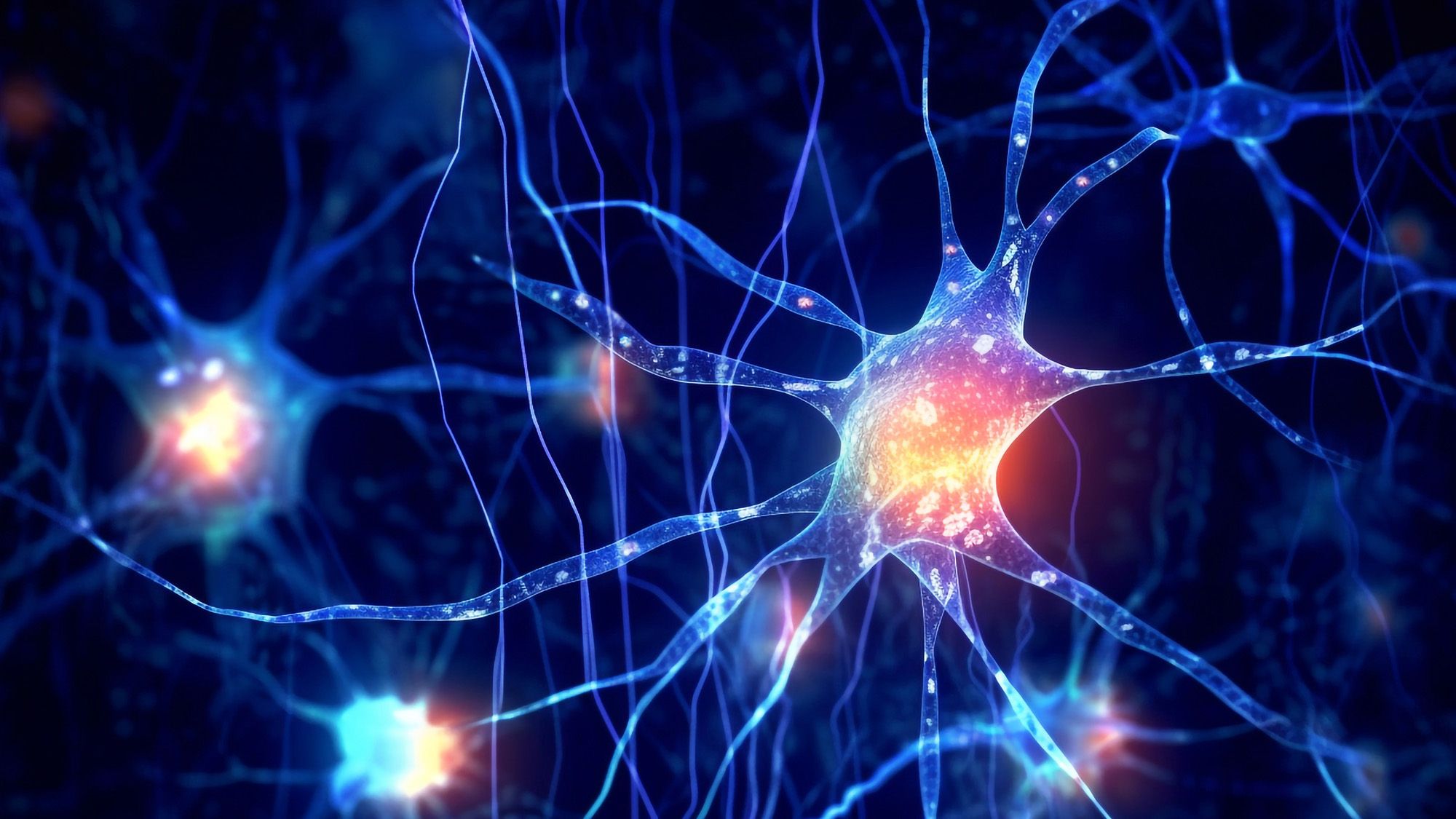
Scientists have mapped every neuron in a male fruit fly’s brain and spinal cord, revealing a tiny but dense network of 166,000 nerve cells. The new “connectome” — a detailed wiring diagram of the nervous system — was published Thursday in Cell and Current Biology, completing the map of the male fly’s central nervous system for the first time. This follows last year’s landmark map of a female fruit fly’s brain, which included about 140,000 neurons. Together, the two maps allow researchers to compare male and female fly brains directly, searching for neural differences that underlie sex-specific behaviors like courtship, aggression, or mating rituals.
The comparison could help explain why male and female flies behave differently, even though their basic brain structure is similar. Gerry Rubin, a senior leader at the Howard Hughes Medical Institute’s Janelia Research Campus and co-author on the study, said this is the first time scientists can directly compare the brains of both sexes in an animal with complex social behavior. “Male and female flies have a lot of differences in their behavior, and neuroscientists want to understand how the brain controls those behaviors,” Rubin said. “This now allows us to easily home in on the neurons that are causing those differences.” The study was published alongside three other papers that use the new data to explore specific aspects of fly neurobiology, including how taste circuits interact with movement and feeding.
The male fly’s brain, though no bigger than a poppy seed, processes sophisticated behaviors using relatively few neurons and minimal energy. Researchers say its architecture could inspire more efficient artificial systems, from robotics to neural computing. Carlos Ribeiro, a principal investigator at the Champalimaud Foundation in Lisbon, whose team contributed to the map, pointed out that the work also sets a technical roadmap for larger connectomics projects, like mapping mouse or human brains. “This work provides a technical roadmap for more ambitious connectomics projects in the future,” Ribeiro said. The same team used the new map to trace taste receptors from the fly’s legs, wings, and mouth to brain circuits that control swallowing and walking.
Looking ahead, scientists plan to map the brains of larval zebrafish and a tiny transparent fish called Danionella in the near future. Their long-term goal is to understand how vertebrate brains enable complex behaviors, and ultimately use that knowledge to shed light on neurological and psychiatric disorders in humans. For now, the fruit fly maps offer a powerful tool to dissect the biological roots of sex differences and behavior, one neuron at a time.
Read Full Story at Live Science →