Iran strikes Bahrain, Kuwait after US attacks
Iran and Iran’s Revolutionary Guard launched missile strikes on Bahrain and Kuwait in retaliation for U.S. air strikes on Iranian sites, escalating tensions that threaten to collapse fragile ceasefire

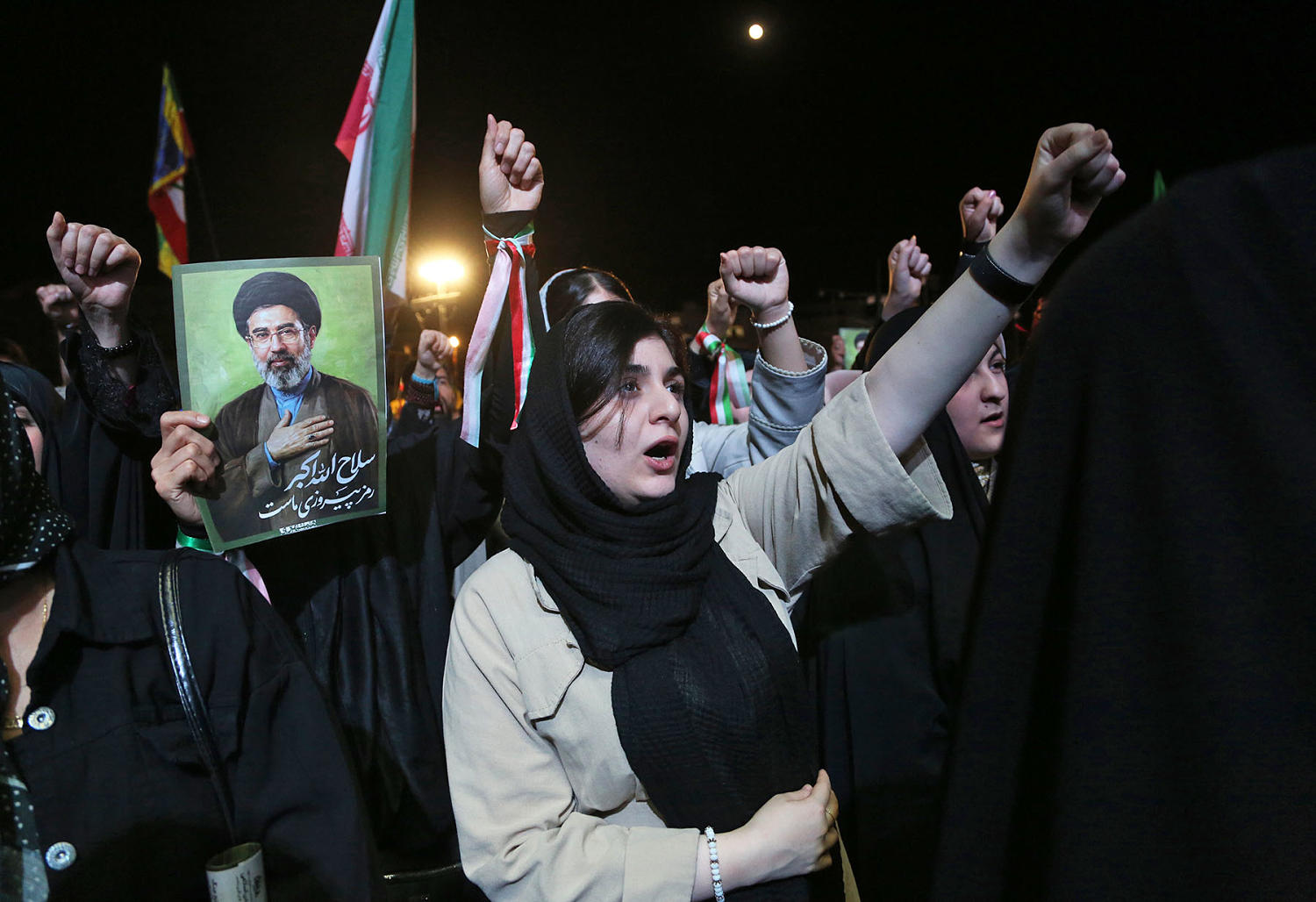
Iran’s Revolutionary Guard fired missiles at targets in Bahrain and Kuwait on Sunday, escalating the shadow war with the United States after American
Read Full Story at France 24 →Why This Matters
The latest escalation between the U.S. and Iran risks undoing fragile diplomatic efforts to stabilize the Persian Gulf—a region critical to global energy markets and maritime security. Direct attacks on Bahrain and Kuwait, two U.S.-aligned Gulf states, signal a dangerous expansion of hostilities beyond traditional proxy conflicts, potentially dragging regional allies into a direct confrontation.
Background Context
Bahrain and Kuwait have long been caught in the crossfire of U.S.-Iran tensions, hosting American military bases while maintaining delicate economic ties with Tehran. The Revolutionary Guard’s missile strikes on these states reflect Iran’s strategy of asymmetric retaliation, leveraging proxy networks and direct strikes to counter perceived U.S. aggression without triggering full-scale war.
What Happens Next
The ceasefire’s survival now hinges on whether regional mediators can broker a de-escalation before retaliatory strikes trigger further cycles of violence. If U.S. forces in the Gulf are targeted, Washington may face pressure to escalate beyond airstrikes, risking a broader conflict that could disrupt oil flows and destabilize fragile Arab-Iranian relations.
Bigger Picture
This flare-up underscores a troubling regional trend: the erosion of "red lines" in U.S.-Iran hostilities, where attacks on third-party states are increasingly normalized. As Tehran tests the limits of deterrence and Washington balances retaliation with restraint, the region’s long-term security architecture grows more precarious, with no clear off-ramp in sight.