OpenAI seeks dismissal of Apple’s $1.5 billion trade secret lawsuit
OpenAI seeks to permanently dismiss Apple’s $1.5 billion lawsuit, arguing the tech giant lacks standing and evidence of trade secret theft. This ruling will determine whether AI firms can use proprie…
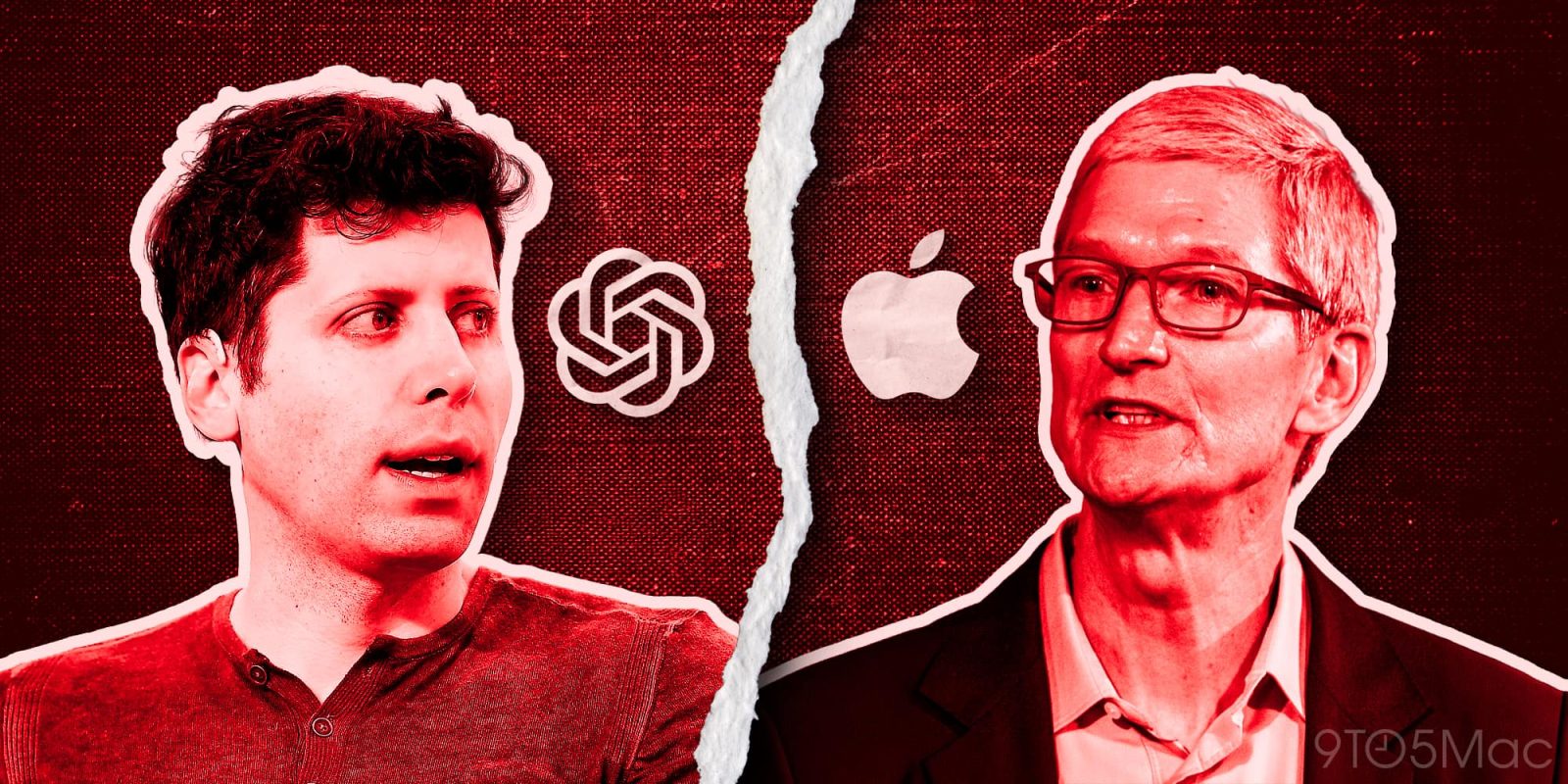
OpenAI filed a new petition this week asking a federal judge to dismiss Apple’s trade‑secret misappropriation complaint with prejudice. The filing lists OpenAI executives Chang Liu and Tang Tan, the company itself, and the startup io Products as petitioners. By seeking dismissal with prejudice, OpenAI wants the court to rule that Apple’s claim is barred and cannot be re‑filed.
Apple first sued OpenAI in 2023, alleging that the AI firm used proprietary data from Apple’s Siri voice‑assistant and other internal tools to train its ChatGPT and GPT‑4 models. Apple claimed the data were trade secrets protected under the Defend Trade Secrets Act and sought $1.5 billion in damages and a permanent injunction. OpenAI counter‑claimed that Apple had no standing to sue because the data were not owned by Apple and that the lawsuit was filed after a prior settlement agreement that barred such claims.
In the new petition, OpenAI argues that Apple failed to produce any evidence that its trade secrets were actually used. It also points to a 2021 confidentiality agreement that Apple signed with a third‑party vendor, which supposedly preempted Apple’s ability to claim ownership of the data in question. io Products, a small developer that sold a tool to both Apple and OpenAI, is cited as evidence that the data were not exclusively Apple’s property. The petition requests that the court grant a motion for summary judgment and dismiss Apple’s complaint with prejudice, effectively ending the litigation.
If the judge grants the motion, Apple will be barred from pursuing the claim and will have to settle any remaining disputes through other legal channels. If the motion is denied, Apple can continue to push for damages and an injunction. The outcome will have wider implications for how AI companies can use proprietary data and how trade‑secret law applies to machine‑learning training. The case is one of several high‑profile battles that could shape the legal framework for AI development in the coming years.
Read Full Story at 9to5Mac →