Scientists block AHR protein in mice, boost nerve regeneration significantly.
Blocking the AHR protein in mice significantly accelerated nerve regeneration and restored function after injury. This discovery offers a potential therapeutic target for treating human spinal cord a…
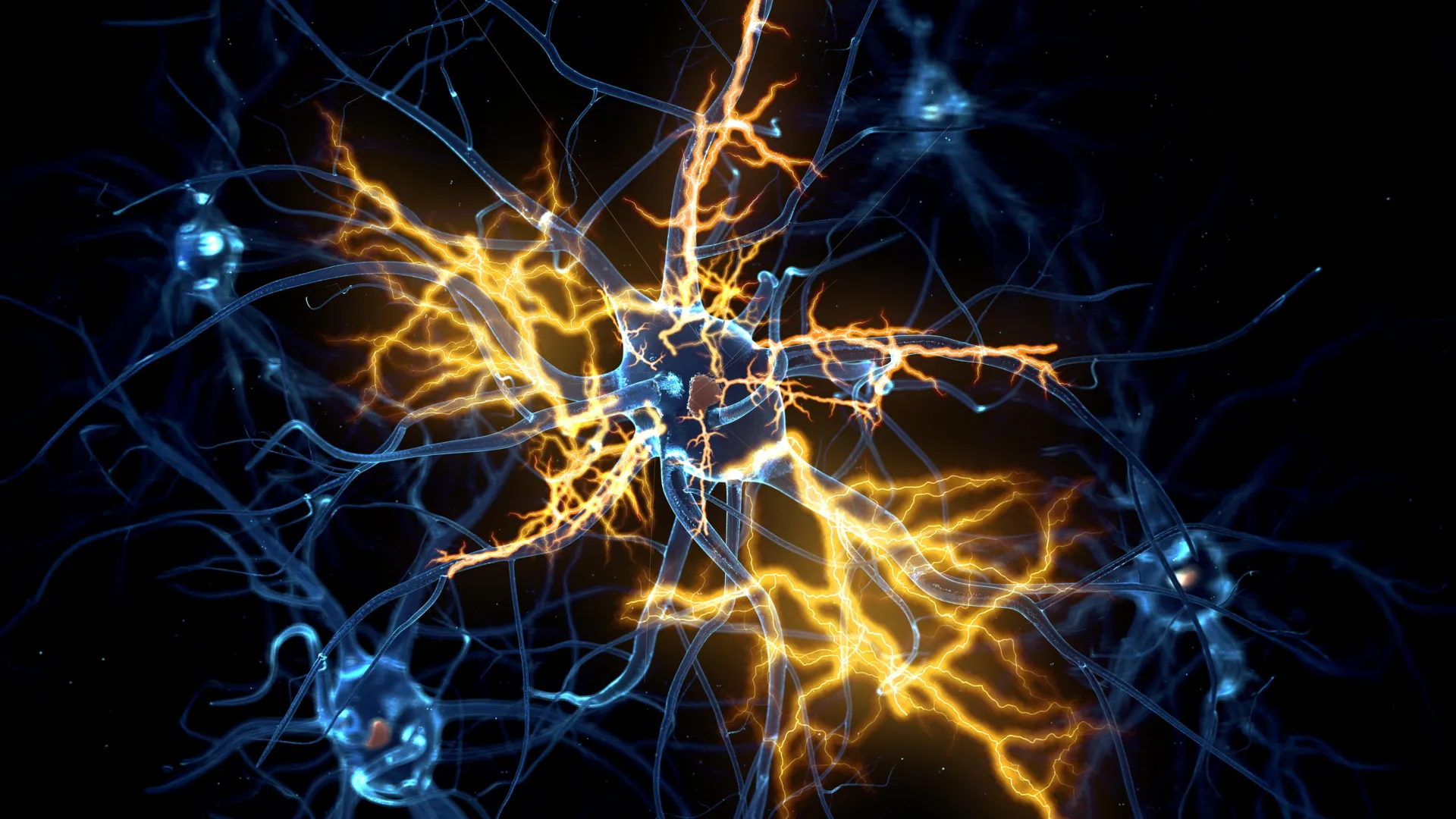
Scientists have found that a protein called AHR acts as a brake on the nervous system’s repair processes. When researchers blocked AHR in mice that had nerve or spinal cord injuries, the damaged nerve fibers grew back faster and the animals regained better movement and sensation. The study suggests that targeting AHR could shift neurons from merely surviving injury to actively rebuilding themselves.
The discovery comes as scientists search for ways to treat peripheral nerve damage and spinal cord injuries, conditions that affect thousands each year. In the body, nerve fibers can regrow after injury, but the process is slow and incomplete. AHR is part of a family of proteins that respond to environmental signals. By turning it off, the researchers removed a natural inhibition that limits nerve regeneration.
In the experiments, mice with sciatic nerve cuts or spinal cord lesions were given a drug that blocks AHR. The treated mice showed a 30‑40% increase in axon regrowth compared with controls. Their grip strength and coordination improved, and tests of touch sensitivity returned to near‑normal levels. The team also measured levels of growth‑related genes and found they were higher in the blocked‑AHR mice. These results point to a clear link between AHR activity and the ability of nerves to heal.
The next step is to test the AHR blocker in larger animals and to evaluate its safety and dosage. If the results hold up, the therapy could eventually be combined with existing surgical or cell‑based treatments to boost recovery after injury. The work also opens doors to studying AHR in other parts of the nervous system, such as the brain, where regeneration is even more limited. For patients, the research offers hope that future drugs could turn the body’s own repair mechanisms on, rather than merely protecting damaged cells.
Read Full Story at ScienceDaily →