Choose Language
Select a language for news translation.
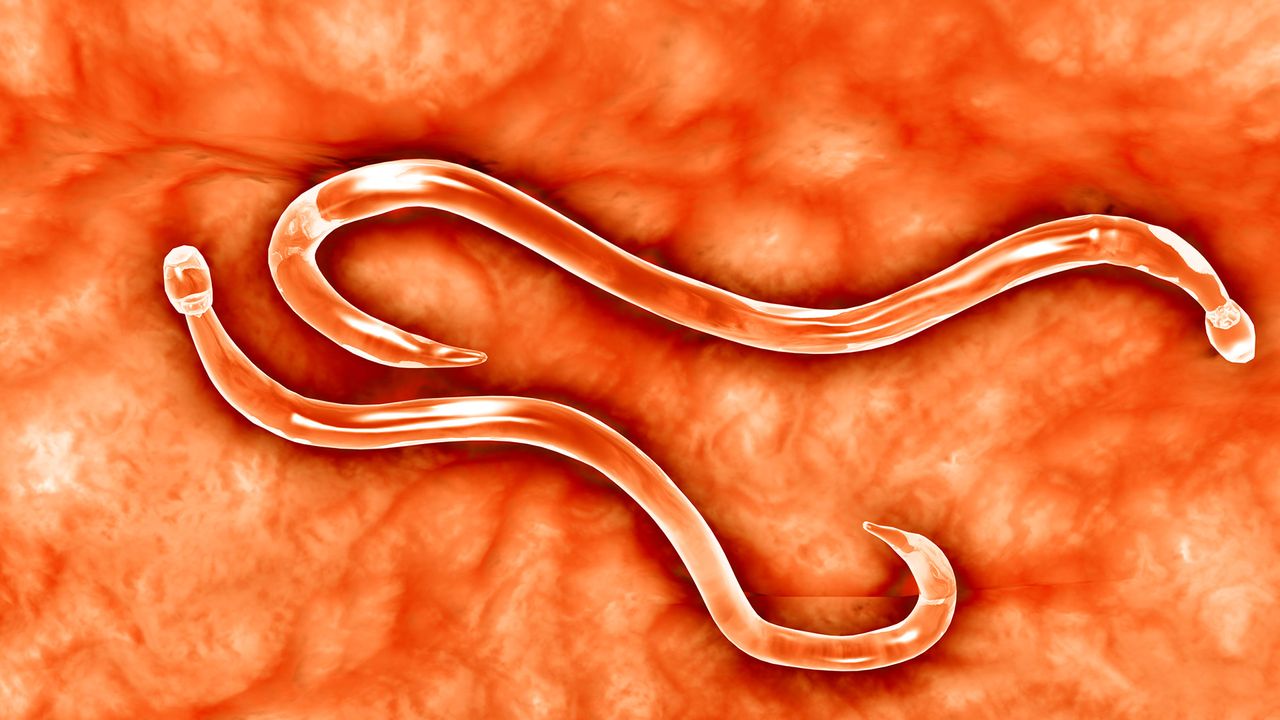
In a proof-of-concept lab experiment, scientists demonstrated that intestinal parasites could make and release therapeutic agents inside a living host.

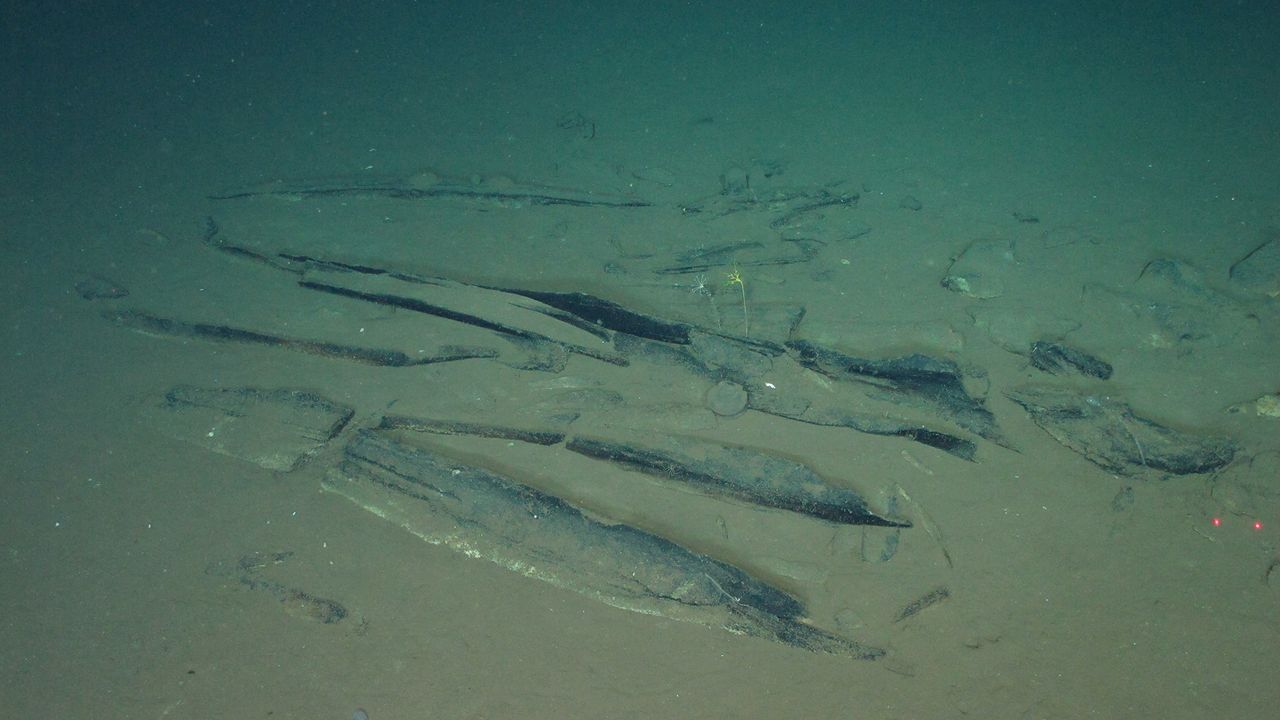
Chinese scientists have discovered a massive whale graveyard of around 500 skeletons, some dating back to more than 5 million years, at the bottom of the India…
Researchers propose that tiny mineral nanoparticles may have been the hidden engines that transformed Earth’s early chemistry into the first building blocks of…
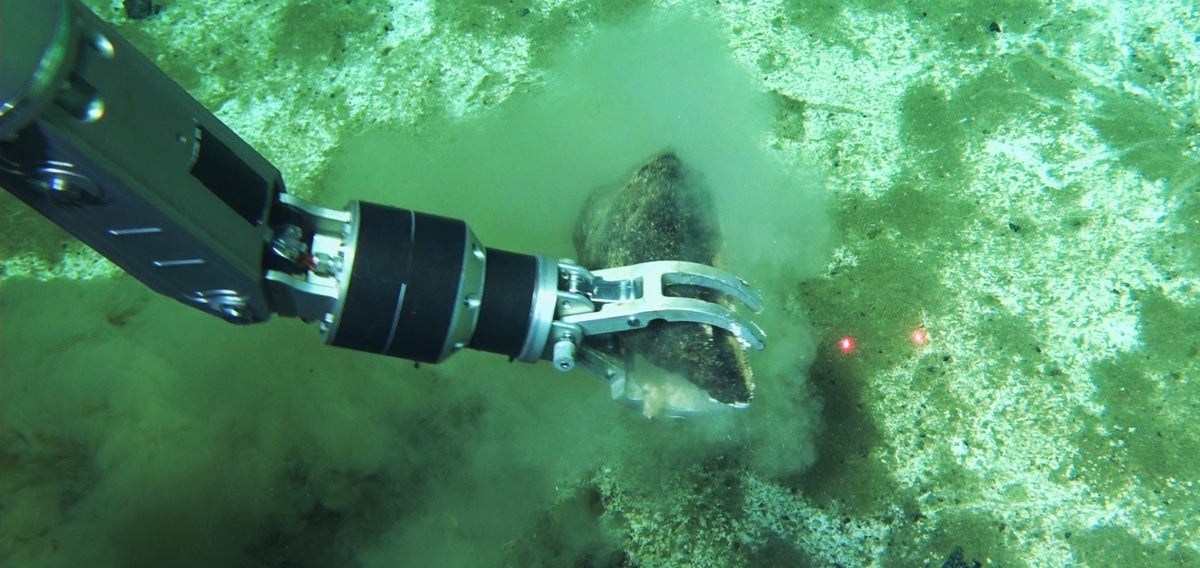
Largest whale ‘graveyard’ discovered, with skeletons spanning 5 million years The fossilized remains of more than 450 whales have amassed along a 750-mile-lon…
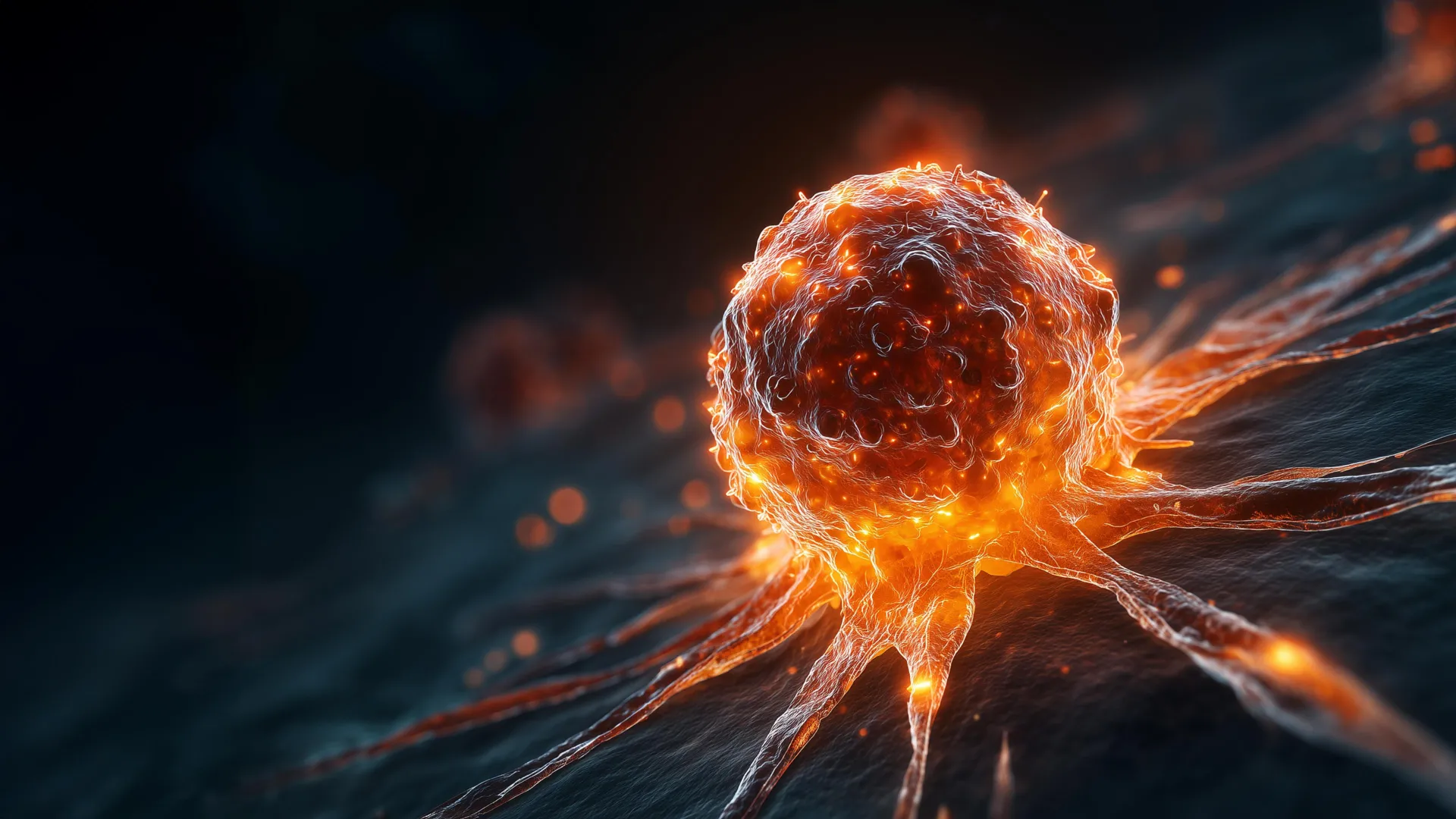
Cancer cells often survive treatment by fixing the DNA damage that therapy is meant to cause. Researchers found that UNI418 can disrupt this repair ability, le…
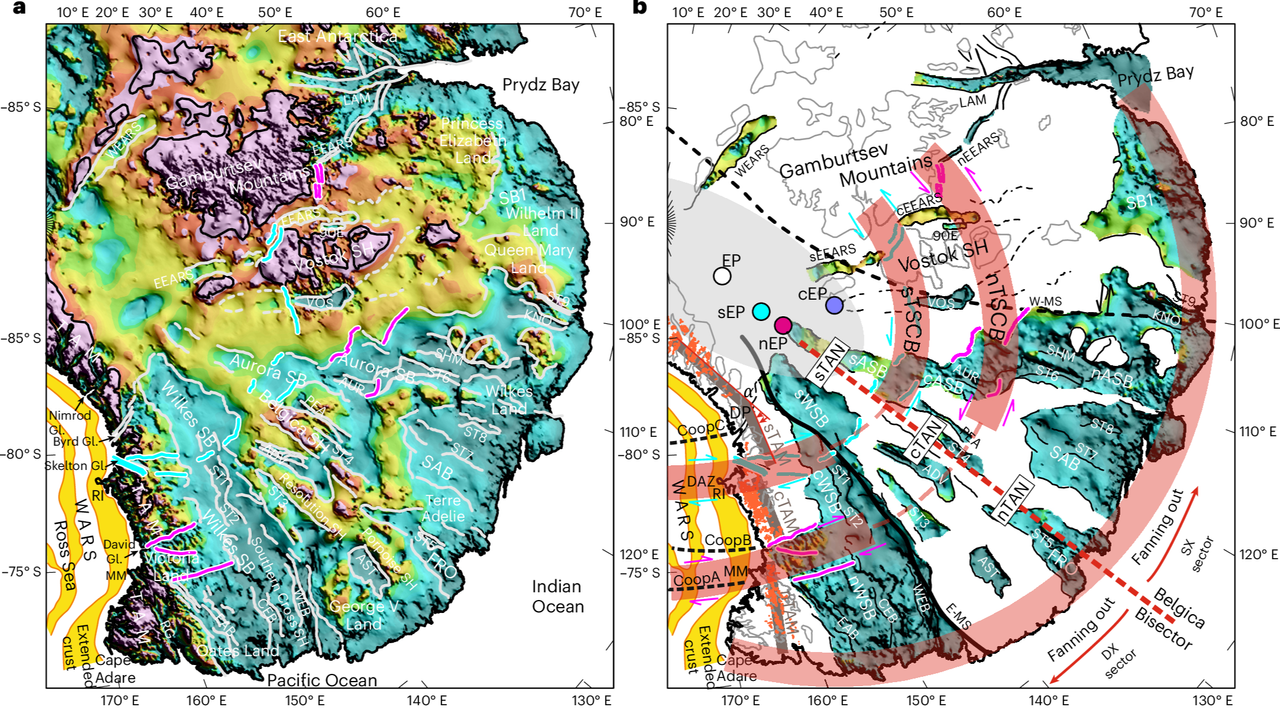
A mysterious geological structure that resembles a human hand with outstretched fingers has been revealed beneath East Antarctica. The discovery shows the froz…

The World Cup could be a petri dish for disease. Wastewater could sound the alarm As millions of soccer fans pack FIFA World Cup venues, public health scienti…
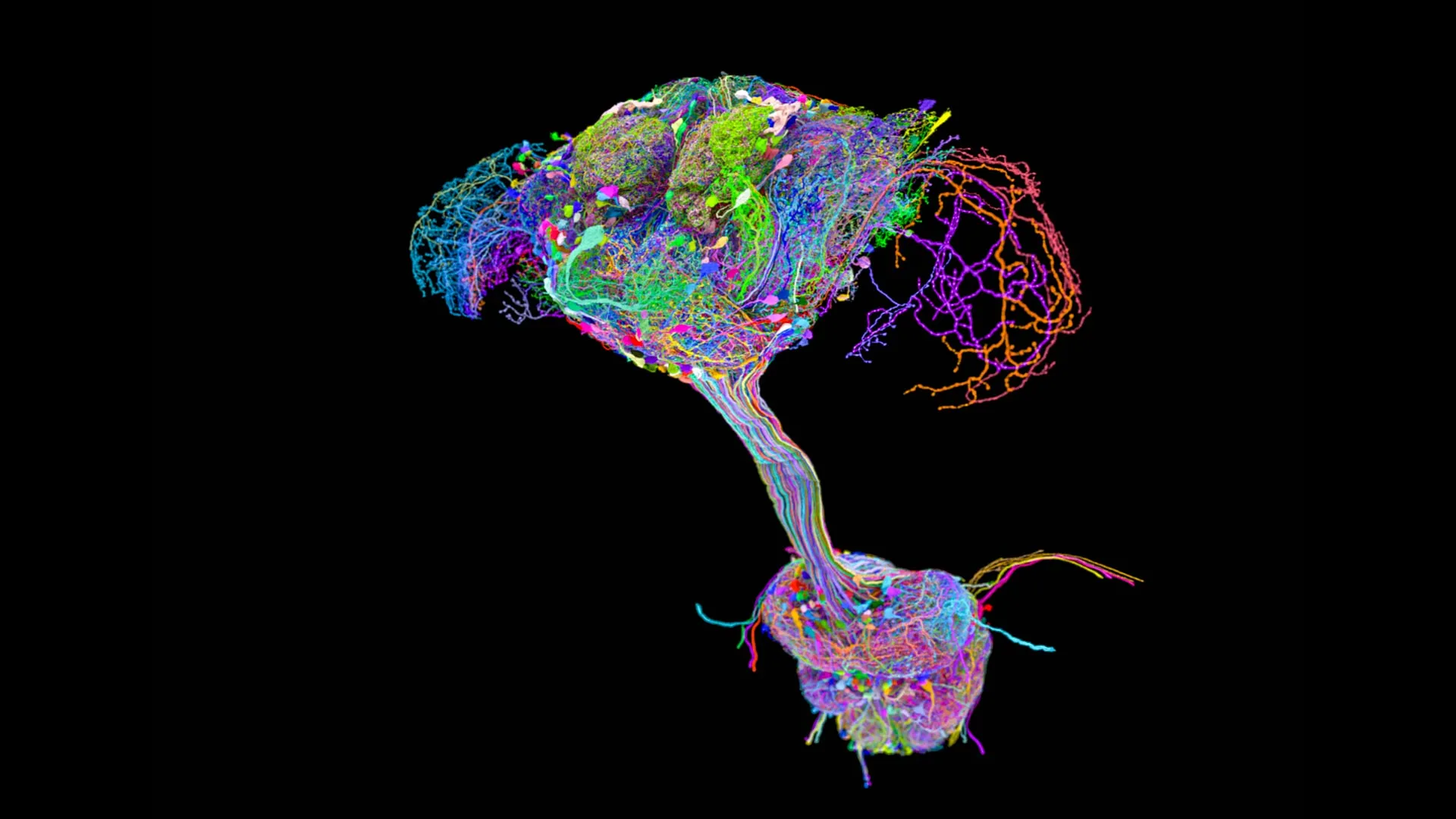
A groundbreaking new connectome maps every neural connection in an adult fruit fly’s central nervous system, creating an unprecedented view of how the brain an…

Inside the high-stakes effort to bring natural grass to World Cup stadiums How scientists are engineering the perfect World Cup pitch—one so flawless that pla…

Scientists have long known that sunlight helps break down plastic. So, why do plastic products linger for decades and even centuries in rivers, lakes, and ocea…

The mysterious Amaterasu particle may not be a proton at all. New research suggests that some of the most extreme cosmic rays could be ultraheavy atomic nuclei…