Iran fires missiles at Bahrain and Kuwait
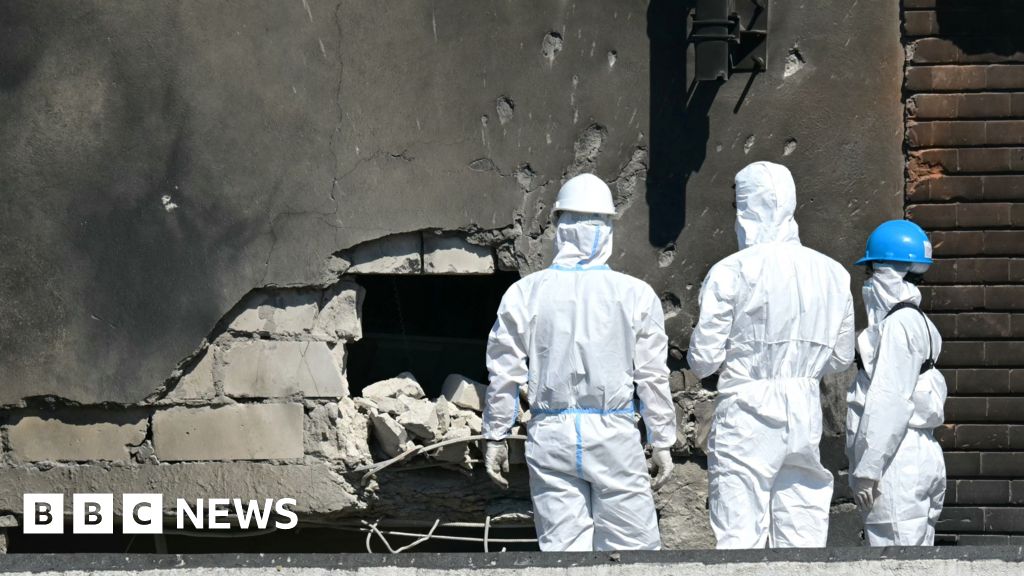
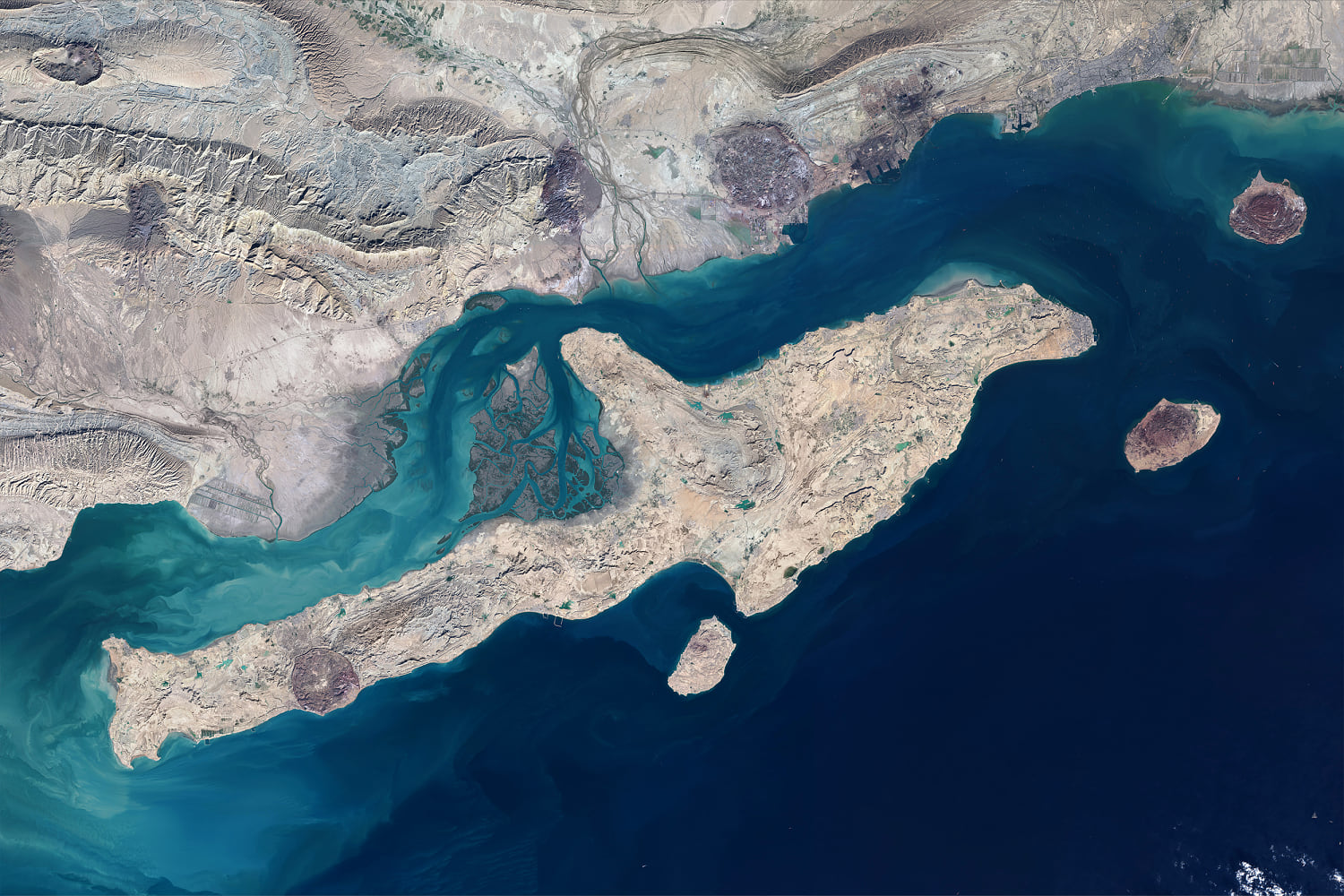
Iran fired missiles and drones at U.S. ally Bahrain and Kuwait, striking empty bases but escalating tensions after U.S. strikes on Iranian military sites. The Strait of Hormuz dispute over oil supply

Iran has reignited hostilities with the United States by firing missiles and drones at Bahrain and Kuwait, both U.S. allies hosting American military
Read Full Story at France 24 →Why This Matters
The latest strikes by Iran on Bahrain and Kuwait represent more than just a retaliatory escalation—they signal a deliberate push to redraw the balance of power in the Persian Gulf. By targeting U.S. allies with precision strikes, Tehran is testing Washington’s resolve while forcing regional partners into an uncomfortable position: either distance themselves from the U.S. or risk becoming collateral damage in a broader confrontation.
Background Context
Bahrain hosts the U.S. Navy’s Fifth Fleet, a linchpin of American military presence in the region, while Kuwait has historically served as a logistical hub for coalition forces. Iran’s history of asymmetric warfare—using proxy groups and indirect attacks—suggests these strikes were calibrated to avoid direct conflict while still asserting dominance. The timing, following U.S. strikes on Iranian facilities, underscores Tehran’s strategy of incremental retaliation to avoid all-out war.
What Happens Next
The immediate risk is a further breakdown in diplomatic channels as both sides dig in, with Bahrain and Kuwait now forced to reassess their security partnerships. If Iran escalates with additional strikes on Gulf states, the U.S. may face pressure to respond more forcefully, potentially dragging allies into a broader conflict. Alternatively, Tehran could dial back its aggression if it gauges the U.S. response as disproportionate or if regional mediation gains traction.
Bigger Picture
This episode fits a broader pattern of Iran’s "gray zone" warfare, where it avoids direct confrontation but steadily erodes adversaries’ confidence in regional stability. The Strait of Hormuz dispute remains a flashpoint, but the real battle is for influence—with Bahrain and Kuwait caught in the middle as Iran seeks to fracture the U.S.-backed security architecture. The coming weeks will reveal whether this strategy succeeds in weakening allied resolve or accelerates a more direct military standoff.