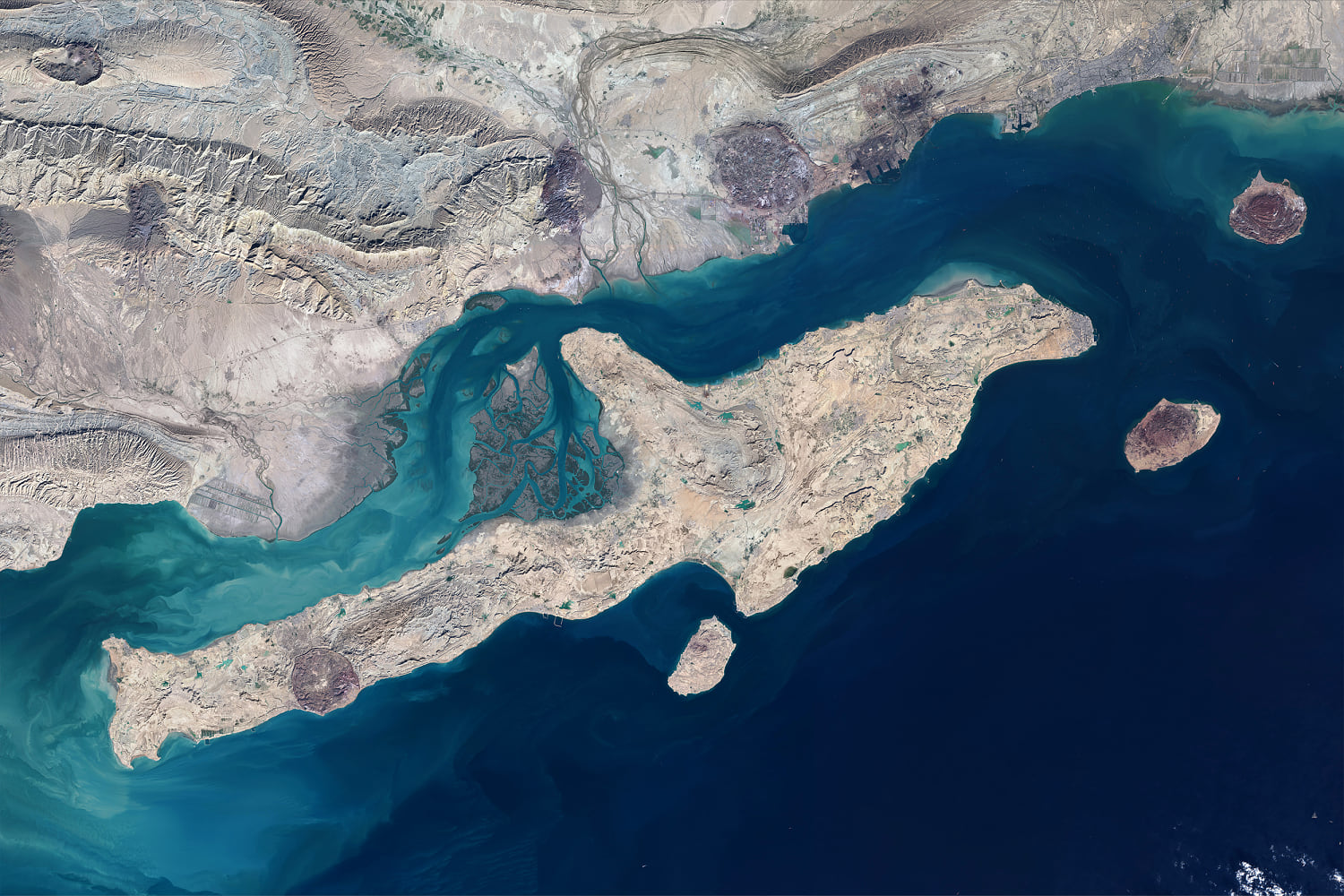
U.S. strikes Iran-backed targets in Hormuz escalation
The U.S. launched airstrikes against Iranian-backed targets in response to escalating threats, while Iran retaliated with ballistic missiles at U.S.-linked sites. This tit-for-tat risks dragging the U

The U.S. launched new airstrikes against Iranian-backed targets on Saturday, just hours after Iran said it had fired missiles at U.S.-linked positions
Read Full Story at NBC News →Why This Matters
The latest escalation in the Persian Gulf underscores Washington’s shrinking room for maneuver in deterring Iran without triggering a broader regional conflict. These strikes signal a strategic pivot toward direct kinetic responses, departing from years of proxy warfare and cyber operations, which could reshape how Tehran perceives U.S. red lines.
Background Context
Since the 2018 U.S. withdrawal from the JCPOA, Iran has systematically targeted maritime shipping lanes in the Strait of Hormuz, including the 2019 attacks on tankers and the seizure of foreign vessels, as leverage against sanctions. Meanwhile, the U.S. has relied on a mix of naval escorts, drone surveillance, and targeted strikes on militia positions in Iraq and Syria, but recent incidents suggest a willingness to expand those operations into Iranian territory.
What Happens Next
With both sides demonstrating escalatory capabilities, the risk of miscalculation is rising—particularly if Iranian ballistic missile salvos or U.S. counterstrikes accidentally hit civilian infrastructure or third-party assets. Regional actors like Saudi Arabia and the UAE may face pressure to either mediate or take sides, while global oil markets could see volatility if chokepoints like Hormuz are disrupted.
Bigger Picture
This flare-up fits a broader pattern of Iran’s “gray zone” tactics—using proxies to probe U.S. and allied resilience while avoiding direct confrontation—only to respond with overt force when cornered. The U.S. response, meanwhile, reflects a post-2020 shift toward deterrence through punishment rather than containment, raising questions about whether Washington seeks de-escalation or a new phase of confrontation.