Nuclear explosion in space risks disrupting global satellite operations
A nuclear explosion in space could disrupt satellite operations critical for communication and navigation, posing risks to daily life on Earth. Historical events, like the 1962 Starfish Prime test, d…
A nuclear explosion in space could severely disrupt satellite operations but is unlikely to cause immediate harm to people on Earth. If such an event were to occur, satellites essential for communication, navigation, and emergency services could be rendered inoperable, impacting daily activities and potentially endangering lives.
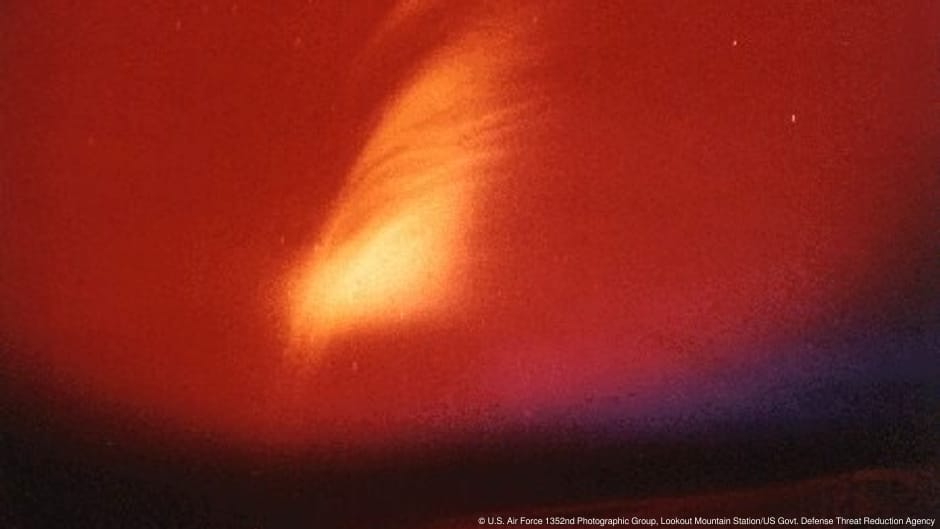
This concern is heightened by historical context. On July 8, 1962, the United States detonated a nuclear weapon in space during the Starfish Prime test, about 400 kilometers above the Pacific Ocean. The explosion generated an electromagnetic pulse that temporarily knocked out streetlights in Hawaii and caused some communication failures. While the initial blast did not reach the ground due to the thin atmosphere, it produced a radiation belt that affected satellites for months afterward. This history illustrates the vulnerabilities of space-based technology to nuclear detonations.
Satellites are particularly susceptible to damage from radiation. When a nuclear weapon detonates in space, the burst of X-rays can immediately harm spacecraft. Additionally, Earth's magnetic field can trap electrons released from the explosion, creating radiation belts that satellites must traverse. This can lead to cumulative damage over time, particularly for electronics and solar panels, which are crucial for satellite functionality. For instance, GPS satellites, which operate approximately 20,200 kilometers above Earth, might continue functioning even if satellites in lower orbits fail, but the overall network could still be compromised.
International treaties, such as the 1967 Outer Space Treaty and the 1963 Limited Test Ban Treaty, prohibit the placement of nuclear weapons in space and nuclear explosions there. However, enforcement is challenging, as there is no dedicated system to monitor what each spacecraft carries. While potential solutions like shielding satellite electronics and launching replacements could mitigate some effects, the risk of lingering radiation and debris remains a concern. The implications of a nuclear explosion in space extend beyond immediate damage, potentially disrupting vital services that support global infrastructure and safety.
Read Full Story at DW World →