West Nile virus cases exceed 500 in 2023, causing 23 deaths
West Nile virus cases in the U.S. have surged to over 500 in 2023, resulting in at least 23 deaths and raising alarms among health officials. The spike is linked to favorable mosquito breeding condit…
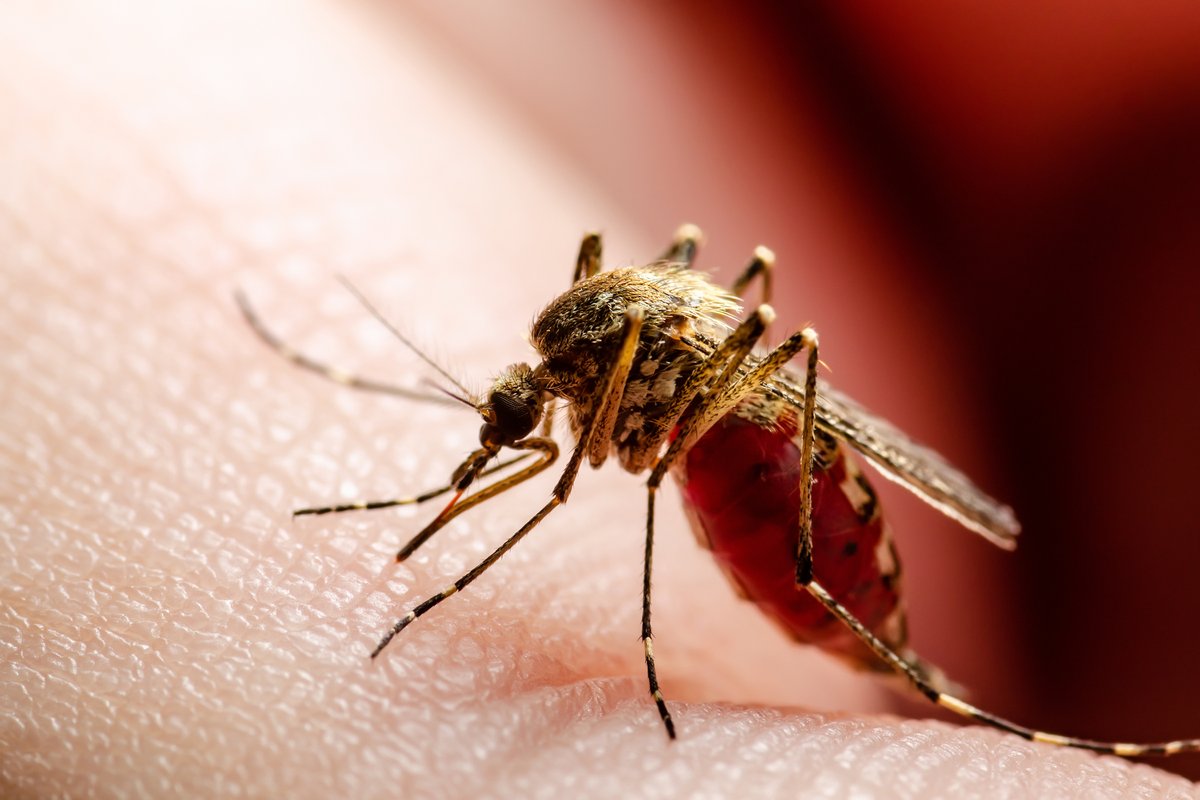
West Nile virus has sickened hundreds of people across the United States this year, prompting public health officials to warn communities about the risks associated with mosquito bites. As of mid-October 2023, the Centers for Disease Control and Prevention (CDC) reported significant increases in cases compared to last year, leading to growing concern among health experts.
The rise in West Nile virus infections is attributed to a combination of environmental factors. A wet spring followed by a hot summer created ideal breeding conditions for mosquitoes. As the climate continues to change, these conditions may become more frequent, increasing the likelihood of outbreaks. West Nile virus has been present in the U.S. since 1999, but public health authorities are particularly worried this year due to the spike in reported cases and the potential for more severe outcomes, especially among vulnerable populations like the elderly and those with weakened immune systems.
In 2023, over 500 cases of West Nile virus have been reported, with at least 23 deaths attributed to the illness. Symptoms can range from mild flu-like signs to severe neurological issues, including encephalitis and meningitis. Health officials emphasize the importance of prevention, recommending that people take precautions against mosquito bites, such as using insect repellent, wearing long sleeves, and eliminating standing water where mosquitoes breed.
Moving forward, health departments will ramp up public awareness campaigns to educate communities about the risks and prevention strategies for West Nile virus. As temperatures begin to cool, the risk may diminish, but experts warn that the virus could persist in warmer areas. Continued monitoring and research are crucial to understanding how climate change impacts the spread of mosquito-borne illnesses. Addressing these challenges will be essential to protect public health in the years to come.
Read Full Story at Scientific American →