Winter 2026 offers three supermoons and meteor showers for stargazers
This winter, from December 2026 to February 2027, stargazers can witness three supermoons, several meteor showers, and various star clusters, making it an ideal time for skywatching. Clear winter ski…
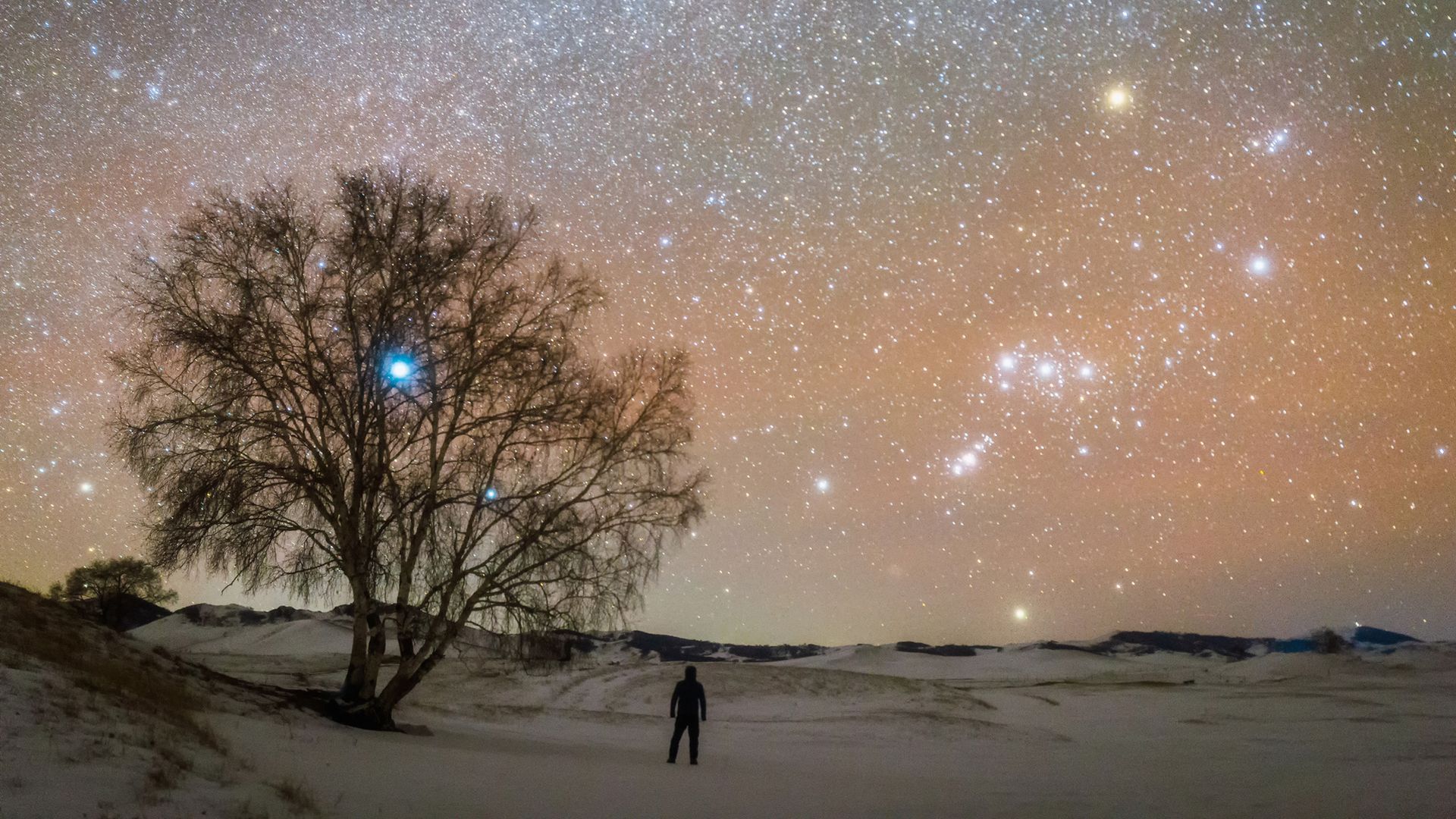
This winter, stargazers can look forward to an array of celestial events, including three supermoons, numerous meteor showers, and the visibility of various star clusters and constellations. These occurrences will unfold across December 2026 through February 2027, offering both novice and experienced observers a chance to engage with the night sky.
The excitement around winter stargazing stems from the unique visibility of celestial phenomena during these months. Winter skies are often clearer and darker, providing ideal conditions for observing stars and other astronomical features. This winter, the supermoons, which appear larger and brighter than usual, will be particularly noteworthy. Additionally, the Geminid meteor shower in December and the Quadrantids in January will offer spectacular displays, with peak rates of meteors visible per hour that can reach into the hundreds under optimal conditions.
For those eager to take part in winter stargazing, having the right gear is essential. A good pair of binoculars or a telescope can enhance the viewing experience, allowing observers to see details in star clusters and planets. Apps and star maps can also help enthusiasts locate constellations and track the paths of meteors. The combination of tools and the sheer variety of events makes this winter a prime time for skywatching.
Looking ahead, the increasing interest in astronomy and stargazing reflects a broader trend of people seeking connection with nature and the cosmos. Educational programs and community events will likely accompany these celestial happenings, encouraging more individuals to explore the wonders of the night sky. As these events unfold, they will not only provide entertainment but also foster a deeper appreciation for our universe.
Read Full Story at Live Science →