Scientists link ancient Antarctica supervolcanoes to complex life emergence
Ancient supervolcanoes beneath Antarctica may have contributed essential nutrients to oceans, fostering complex life around 600 million years ago. While the study highlights a potential link to the C…
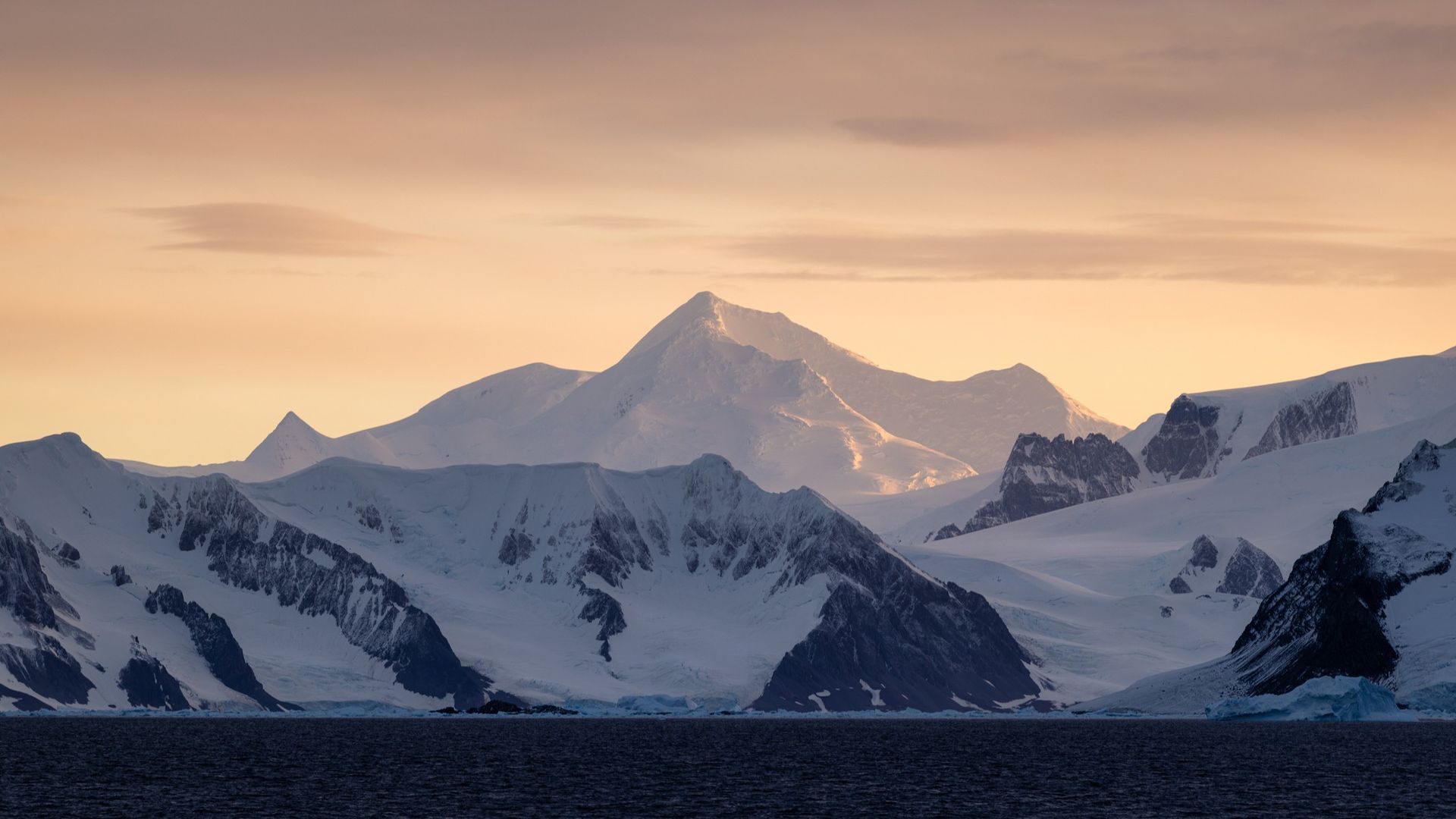
Ancient "supervolcanoes" buried beneath Antarctica may have played a crucial role in fostering complex life on Earth, according to a recent study. Researchers suggest that these volcanic systems released essential nutrients into the oceans, creating conditions favorable for the rise of multicellular organisms around 600 million years ago.
This study gains importance as scientists continue to explore how Earth's geological processes influence biological evolution. The timing coincides with ongoing debates about the factors that led to the Cambrian Explosion, a period marked by rapid diversification of life forms. Understanding the interplay between geological events and biological developments is essential for piecing together Earth's history and the evolution of life.
The study's findings indicate that volcanic activity could have enriched the surrounding seas with vital minerals, such as phosphorous and nitrogen. These nutrients are key for supporting life, suggesting that the hidden supervolcanoes might have acted as a catalyst for the complex ecosystems we see today. Some researchers, however, remain skeptical about the link between these ancient volcanic systems and the emergence of complex life, arguing that more evidence is needed to support the claims.
As scientists continue to investigate these claims, further studies may reveal more about the role of supervolcanoes in Earth's history. This research could reshape our understanding of the conditions that fostered life and how geological activity influences biological evolution. The implications extend beyond Earth, potentially guiding our search for life on other planets, where similar geological processes may exist.
Read Full Story at Live Science →