California enacts stricter manure management rules for dairy farms
California has enacted stricter water pollution regulations for dairy farms in the Central Valley to combat nitrogen runoff that contaminates groundwater. These new rules aim to improve drinking wate…
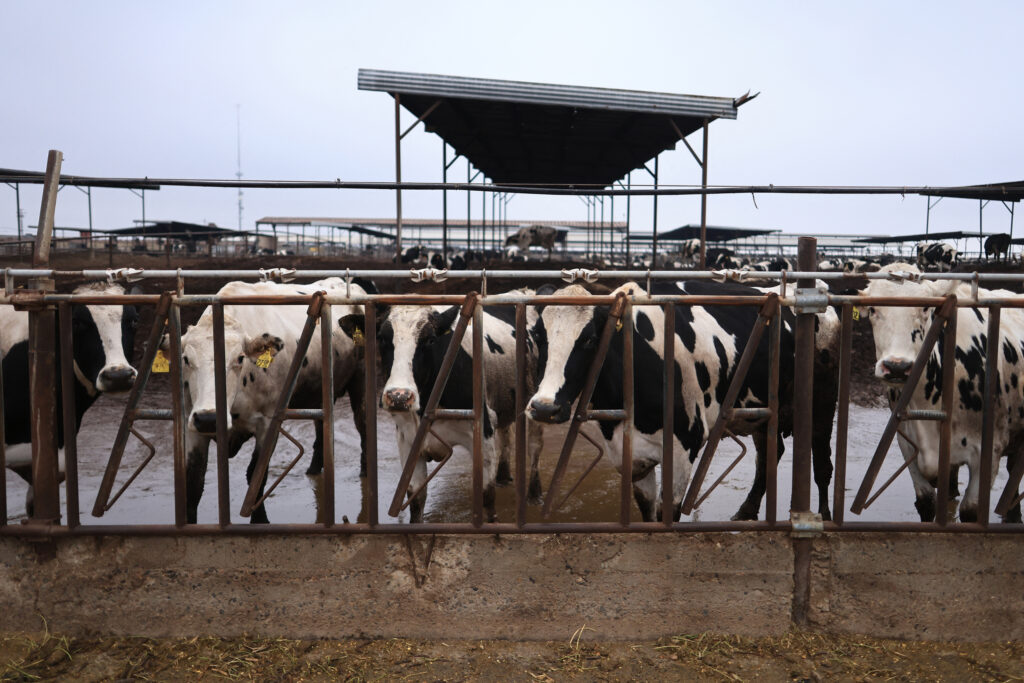
California's State Water Resources Control Board has adopted stricter water pollution regulations for the Central Valley, home to the state's largest concentration of dairy farms. The unanimous decision came after a lengthy six-hour meeting this week, where advocates emphasized the urgent need for action against the environmental impacts of dairy manure. The new rules aim to curb nitrogen runoff, which has significantly contaminated groundwater in the region.
The push for these regulations has been growing for years, fueled by concerns over drinking water quality and public health. Environmental organizations have long criticized the dairy industry's practices, pointing to the outsized impact of manure on local ecosystems. Data shows that high nitrogen levels can lead to health issues, including reproductive problems and developmental disorders in children. The Central Valley's reliance on agriculture, particularly dairy farming, has made it a focal point for discussions on sustainable farming practices and environmental responsibility.
The new regulations require dairy farms to implement measures to reduce nitrogen pollution, including better manure management and monitoring practices. The changes are expected to lead to significant improvements in groundwater quality. Farmers will need to adapt their operations to comply with these standards, which some may view as burdensome. However, advocates argue that the long-term benefits to community health and the environment outweigh the initial costs.
Moving forward, the implementation of these regulations will be closely monitored. The State Water Resources Control Board will oversee compliance and assess the effectiveness of the new measures over time. This decision marks a critical step in California's efforts to balance agricultural productivity with environmental protection, highlighting the need for sustainable practices in one of the nation's most important agricultural regions. The success of these regulations could set a precedent for similar initiatives across the country.
Read Full Story at Inside Climate News →