NASA's Voyager 1 approaches one light-day from Earth on November 18
NASA's Voyager 1 will reach one light-day from Earth on November 18, marking nearly 50 years since its launch in 1977 and underscoring its role in advancing our understanding of the solar system and …
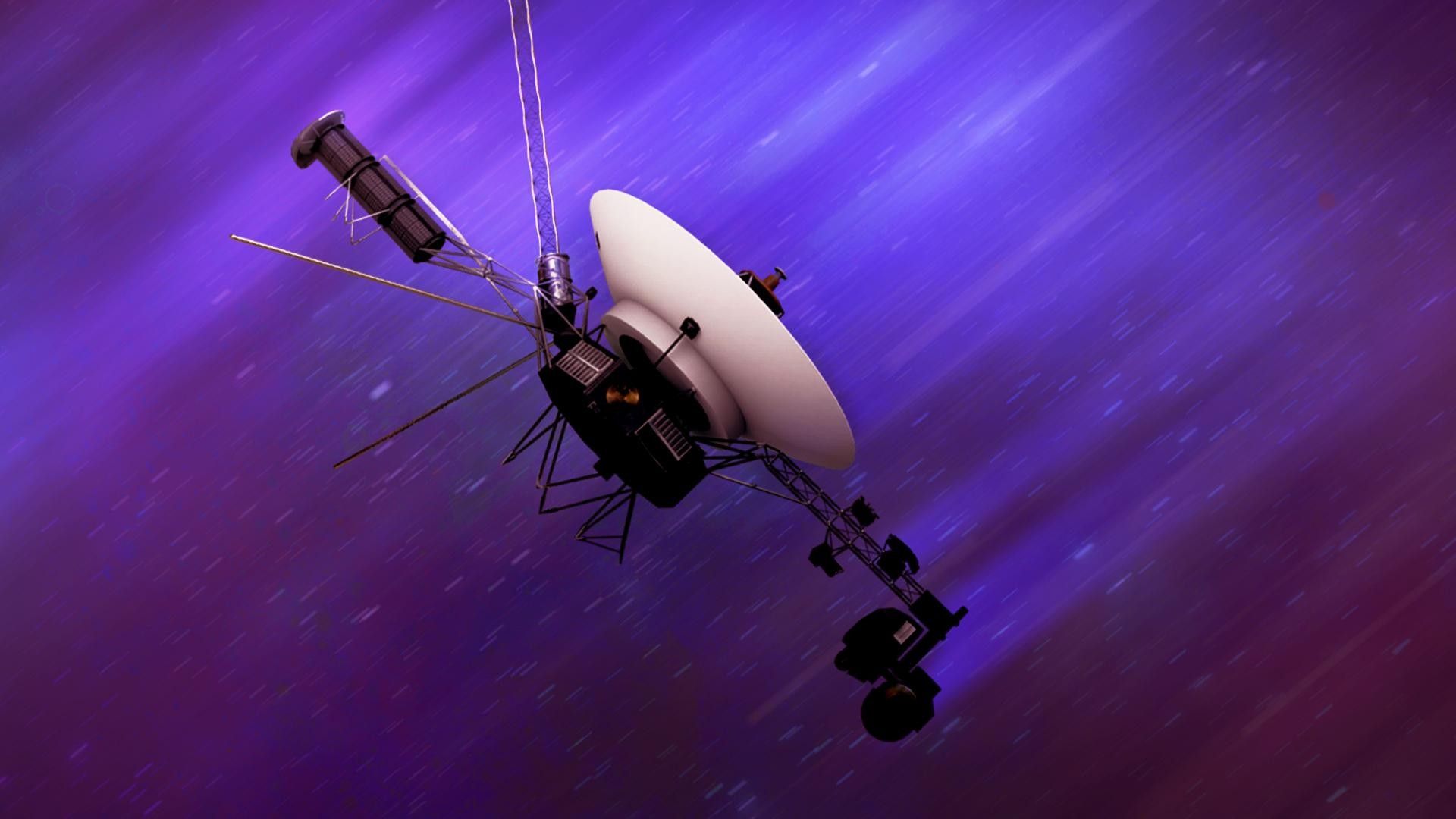
NASA's Voyager 1 probe will reach the one light-day mark from Earth on November 18, nearly 50 years after its launch in 1977. This milestone represents a significant achievement in space exploration and highlights the ongoing legacy of the Voyager program, which was designed to study the outer planets and interstellar space.
The Voyager program has provided invaluable data about our solar system. Voyager 1's initial mission included flybys of Jupiter and Saturn, helping scientists gain insights into these gas giants and their moons. The probe has since traveled beyond the heliosphere, the region dominated by solar wind, entering interstellar space in 2012. As it continues its journey, Voyager 1 remains the farthest human-made object from Earth, a testament to the ingenuity and ambition of NASA's exploration efforts.
This milestone also comes at a time when interest in deep space exploration is growing. As new missions to the Moon and Mars are planned, Voyager 1 serves as a reminder of the long-term value of space exploration. The probe carries the Golden Record, a message to any potential extraterrestrial life, which contains sounds and images representing humanity and our planet. This aspect of the mission emphasizes the importance of connection and communication beyond Earth.
Looking ahead, Voyager 1 will continue to send back data until its power sources are no longer sufficient, likely in the next few years. Scientists plan to analyze its findings to better understand interstellar space and the cosmic environment beyond our solar system. The probe's journey challenges our understanding of the universe and inspires future generations of scientists and explorers.
Read Full Story at Live Science →