Leonid meteor shower peaks tonight, offers 15 shooting stars hourly
The Leonid meteor shower peaks tonight, offering up to 15 shooting stars per hour for viewers under dark skies. Observers should look toward the constellation Leo between 2 a.m. and 5 a.m. local time…
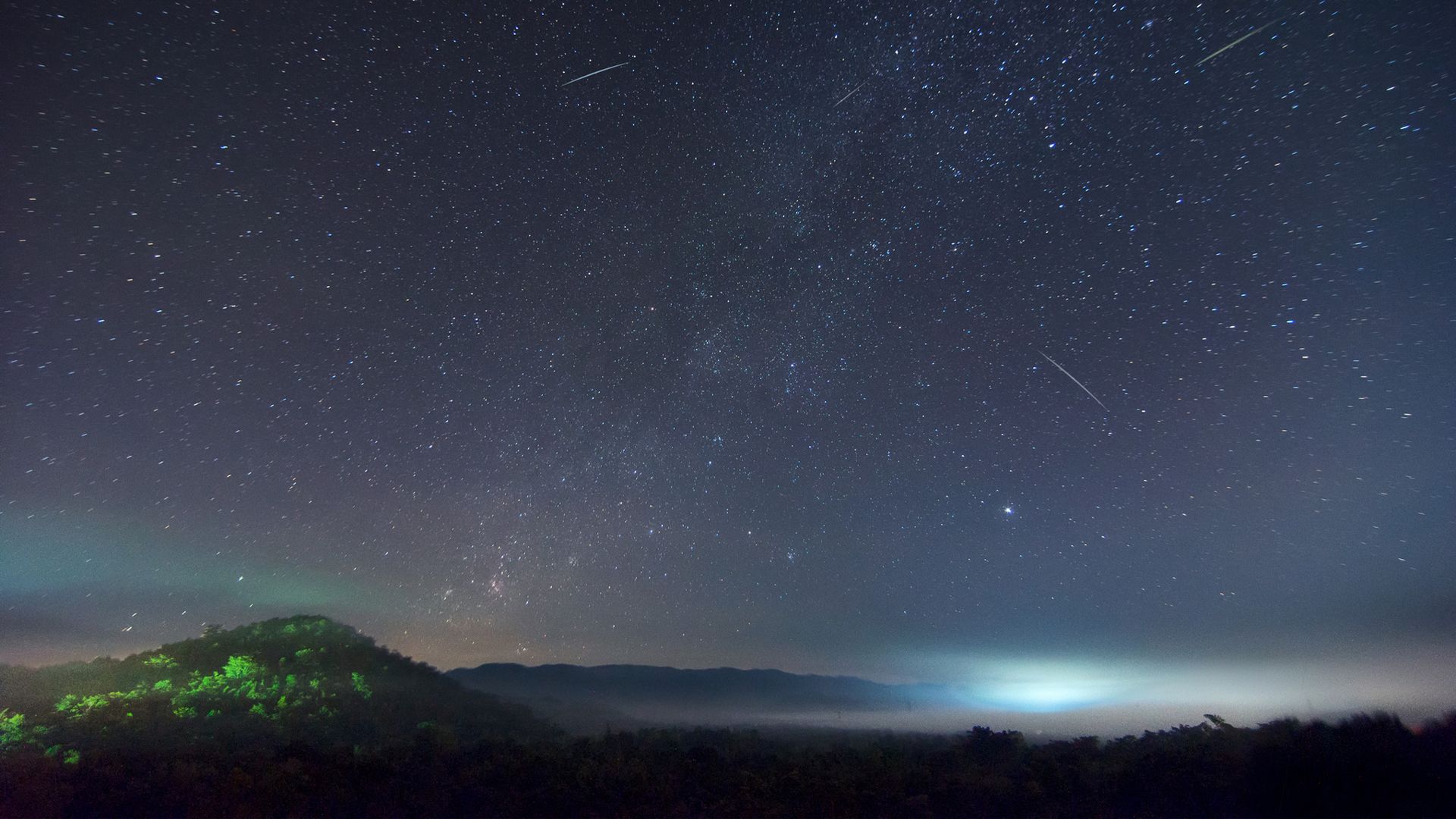
The Leonid meteor shower reaches its peak tonight, Nov. 16‑17, and observers under dark skies can expect up to 15 shooting stars per hour, with the waning crescent moon setting well before the best viewing window.
The Leonids are an annual display that occurs when Earth sweeps through the dust trail left by comet Tempel‑Tuttle, which orbits the Sun every 33 years. When the comet makes a close pass, the debris stream can thicken, producing spectacular meteor storms like those of 1999 and 2001. This year, the comet is far from the Sun, so the Earth is intersecting a relatively thin part of the trail, resulting in a modest but reliable peak. Astronomers have been tracking the comet’s orbit for decades, and calculations show the current dust stream will produce a steady drizzle rather than a sudden downpour.
Experts recommend finding a location far from city lights and looking toward the constellation Leo, which will rise in the east after midnight. The optimal window runs from about 2 a.m. to 5 a.m. local time, when the sky is darkest and the moon has already set. No special equipment is needed; the naked eye is sufficient, though a reclining chair and a warm drink can make the experience more comfortable. Amateur astronomer groups across the United States are posting live streams and sharing tips on social media, encouraging newcomers to join the watch.
The Leonid peak is a reminder of Earth’s ongoing encounter with cometary debris, a natural phenomenon that can have practical implications for satellite safety and atmospheric studies. While tonight’s show will be modest, the next close approach of Tempel‑Tuttle in 2027 could bring a much stronger storm if the comet’s trail has built up. For now, stargazers have a chance to witness a quiet but beautiful celestial event that connects us to the broader dynamics of our solar system.
Read Full Story at Live Science →