U.S. aid cuts threaten HIV/AIDS progress in Zambia and Zimbabwe
Zambia and Zimbabwe's achievements in reducing HIV/AIDS are threatened by a new U.S. aid strategy that has significantly cut funding, particularly leaving Zimbabwe without support. Activists warn tha…
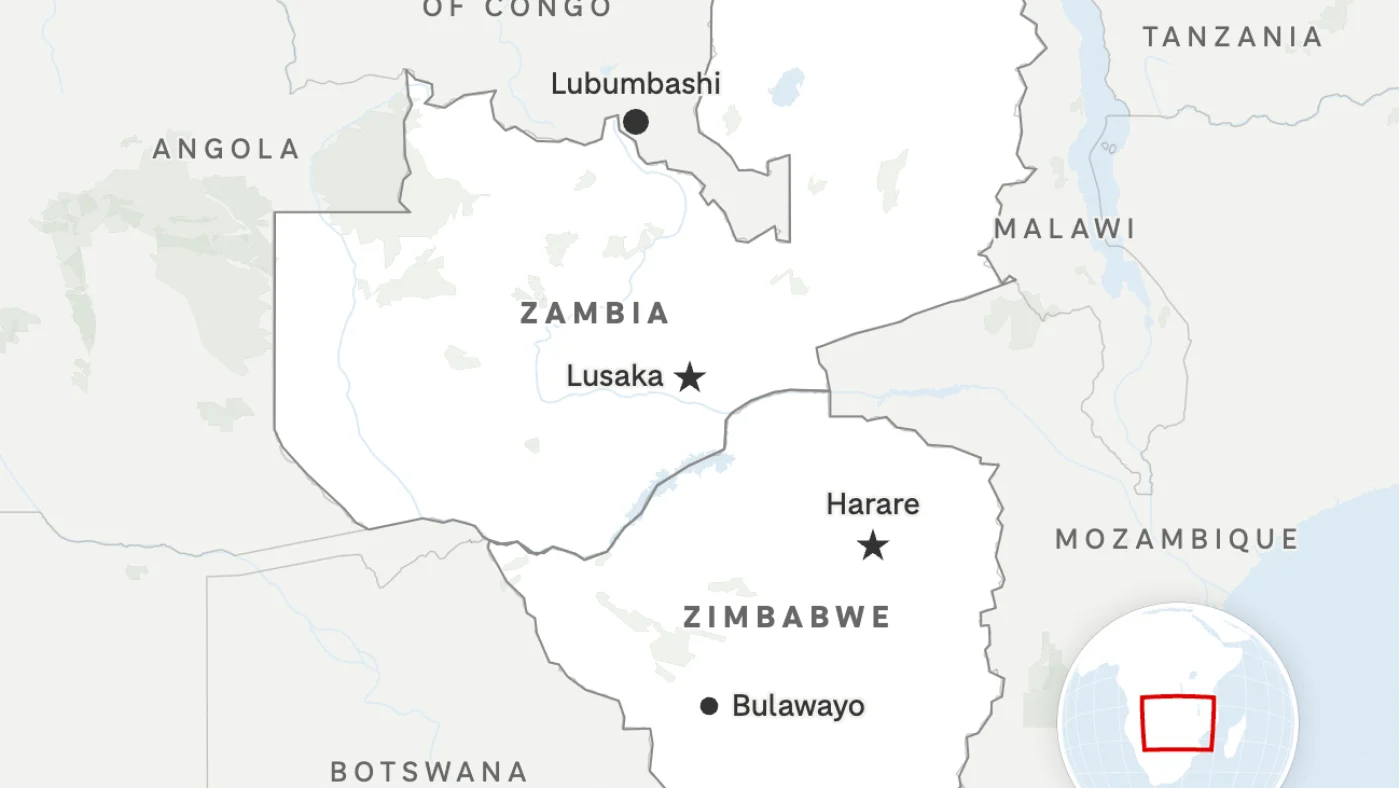
Zambia and Zimbabwe are facing uncertainty regarding U.S. health aid, putting their significant progress in combating HIV/AIDS at risk. The shift comes after the Trump administration's overhaul of U.S. foreign aid strategy, which has altered the way assistance is provided to these southern African nations.
Both countries have made remarkable strides against HIV/AIDS, with new infections dropping by 76% in Zambia and 80% in Zimbabwe since 2000. Data from the Joint United Nations Programme on HIV/AIDS shows that over 95% of those infected in both nations are identified and receiving treatment. This success has largely been fueled by billions of dollars in U.S. aid over the last two decades. However, a new U.S. strategy, which dismantled the U.S. Agency for International Development in 2025, has led to an unpredictable aid landscape.
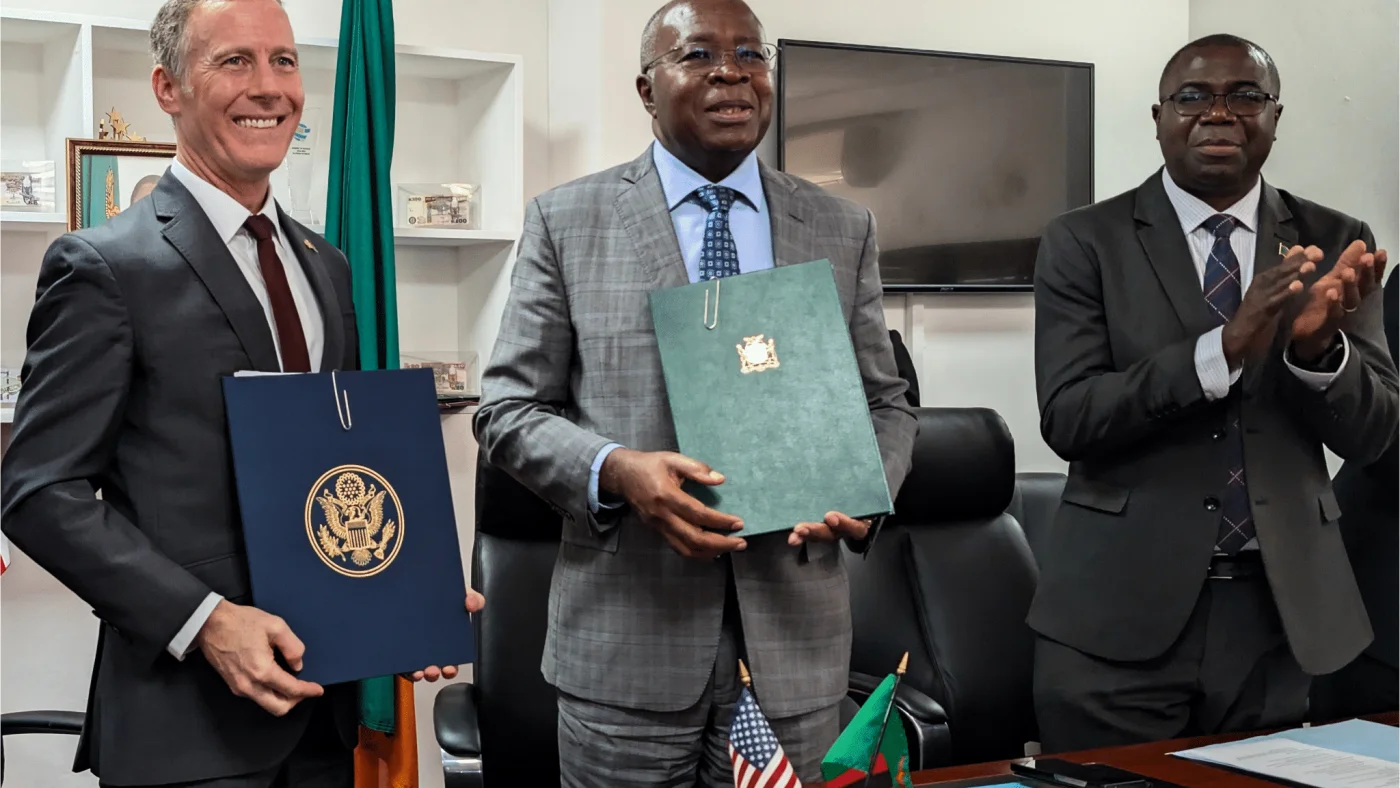
In October, U.S. and Zambian officials signed a new health aid agreement that promises funding primarily through the Zambian government. However, this agreement offers significantly less financial support than previous years. In contrast, Zimbabwe has lost all U.S. health aid following the collapse of negotiations earlier this fall. Activists have raised concerns about the conditions tied to the new agreements, including past proposals to link health aid to access to Zambia's mineral resources, which were ultimately removed from the final agreement.
The future of HIV/AIDS treatment in both countries now hangs in the balance. A Zambian health worker, who requested anonymity due to fears of government backlash, expressed relief at the agreement but emphasized that the real work of addressing the epidemic is just beginning. She highlighted challenges such as the illegal status of homosexuality in Zambia, which deters individuals from seeking necessary treatment. Without sustained U.S. support, the progress made in controlling HIV/AIDS could be severely undermined, affecting countless lives.
Read Full Story at NPR Health →