Scientists analyze chemical compositions to infer planetary scents
Scientists can infer the scents of other planets by analyzing their chemical compositions, which provides insights into their atmospheres and potential habitability. Understanding these planetary odo…
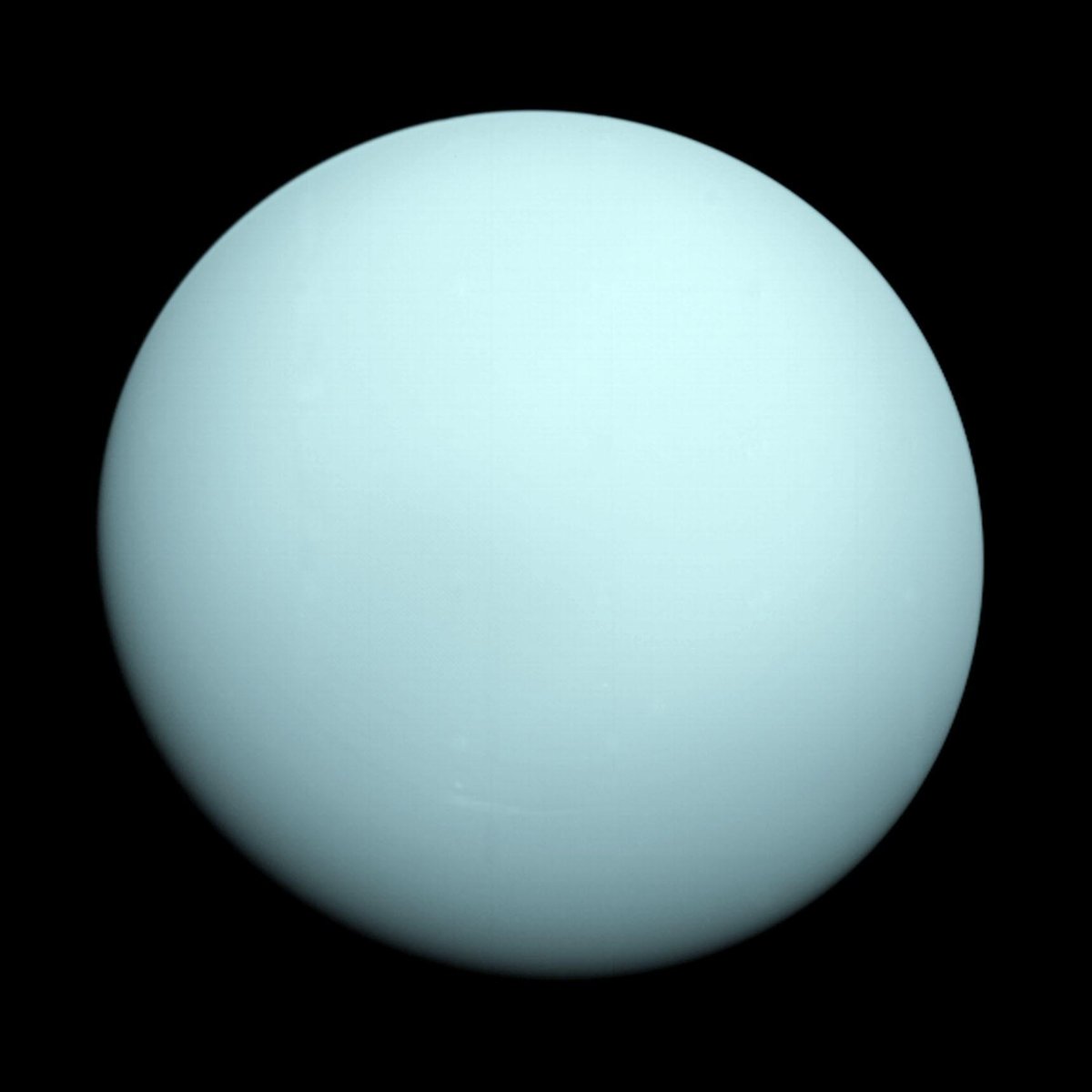
Scientists believe they can infer the scents of other planets by studying their chemical compositions. While humans may never have the opportunity to physically smell these distant worlds, advances in technology and space exploration provide valuable insights into their atmospheres and surface materials. Instruments on telescopes and spacecraft analyze the light and other signals emitted from planets, revealing the presence of various chemicals that can hint at their odors.
The interest in understanding planetary smells stems from a broader quest to explore the potential for life beyond Earth. The presence of certain gases, such as methane or ammonia, can indicate biological processes. In addition, knowing what these planets are made of can help scientists assess their habitability. As space agencies like NASA and ESA plan missions to Mars, Venus, and the moons of Jupiter and Saturn, the chemistry of these celestial bodies takes on new significance.
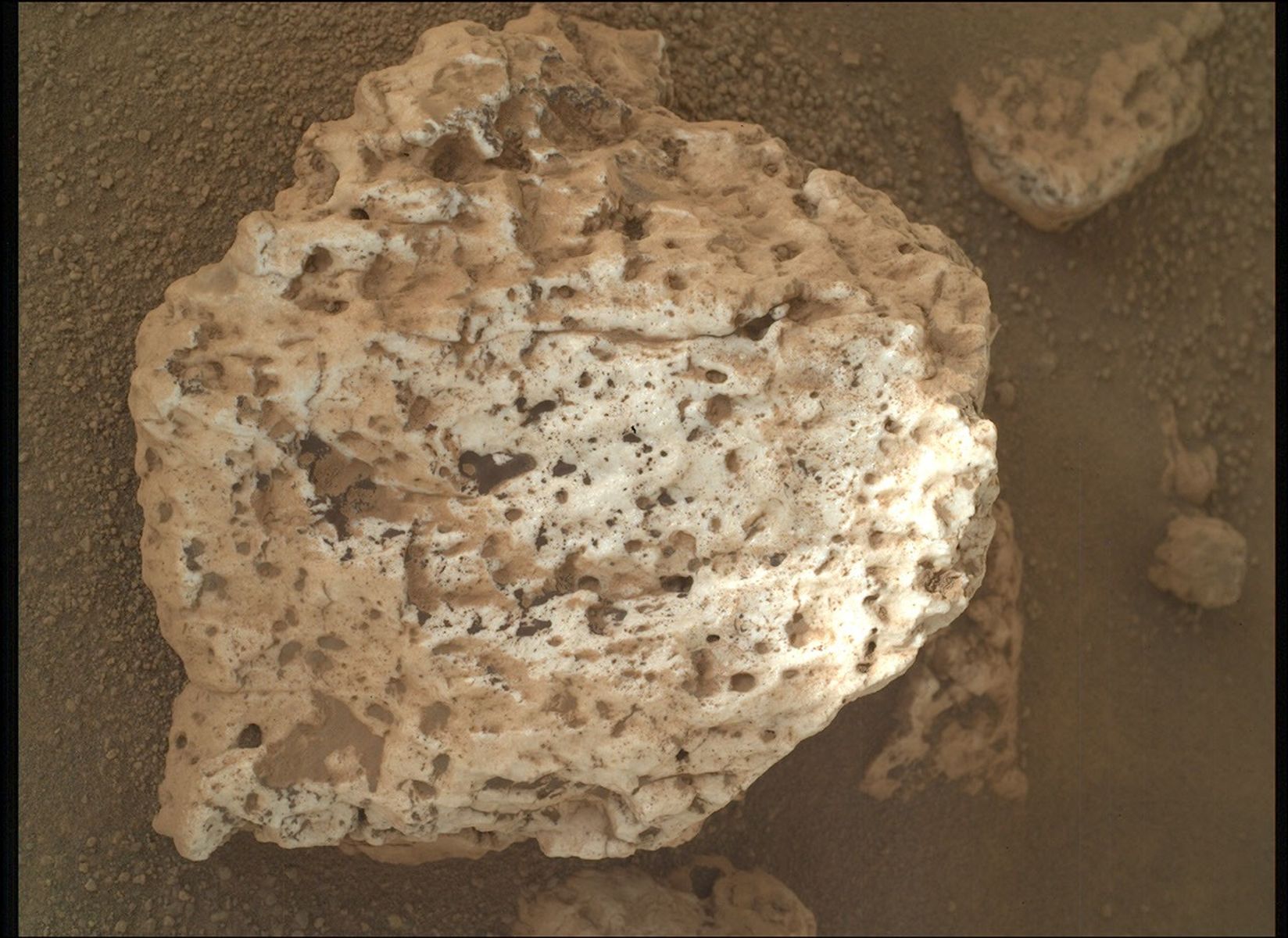
For instance, researchers believe that the atmosphere of Venus, rich in sulfuric acid clouds, might evoke a smell similar to rotten eggs. Mars, with its iron oxide surface, may carry a metallic scent, akin to rust. The gas giants, like Jupiter and Saturn, are primarily composed of hydrogen and helium, which are odorless. However, other compounds present, such as ammonia, could lend an acrid scent to their upper atmospheres.
As technology advances, the ability to analyze distant worlds will improve. Future missions may employ more sensitive instruments to probe atmospheres even further. Understanding the scents of other planets could shed light on their atmospheres and geological processes, ultimately enriching our knowledge of the universe. This exploration not only satisfies human curiosity but also could lead to groundbreaking discoveries about the origins of life and the conditions required for it to thrive.
Read Full Story at Scientific American →