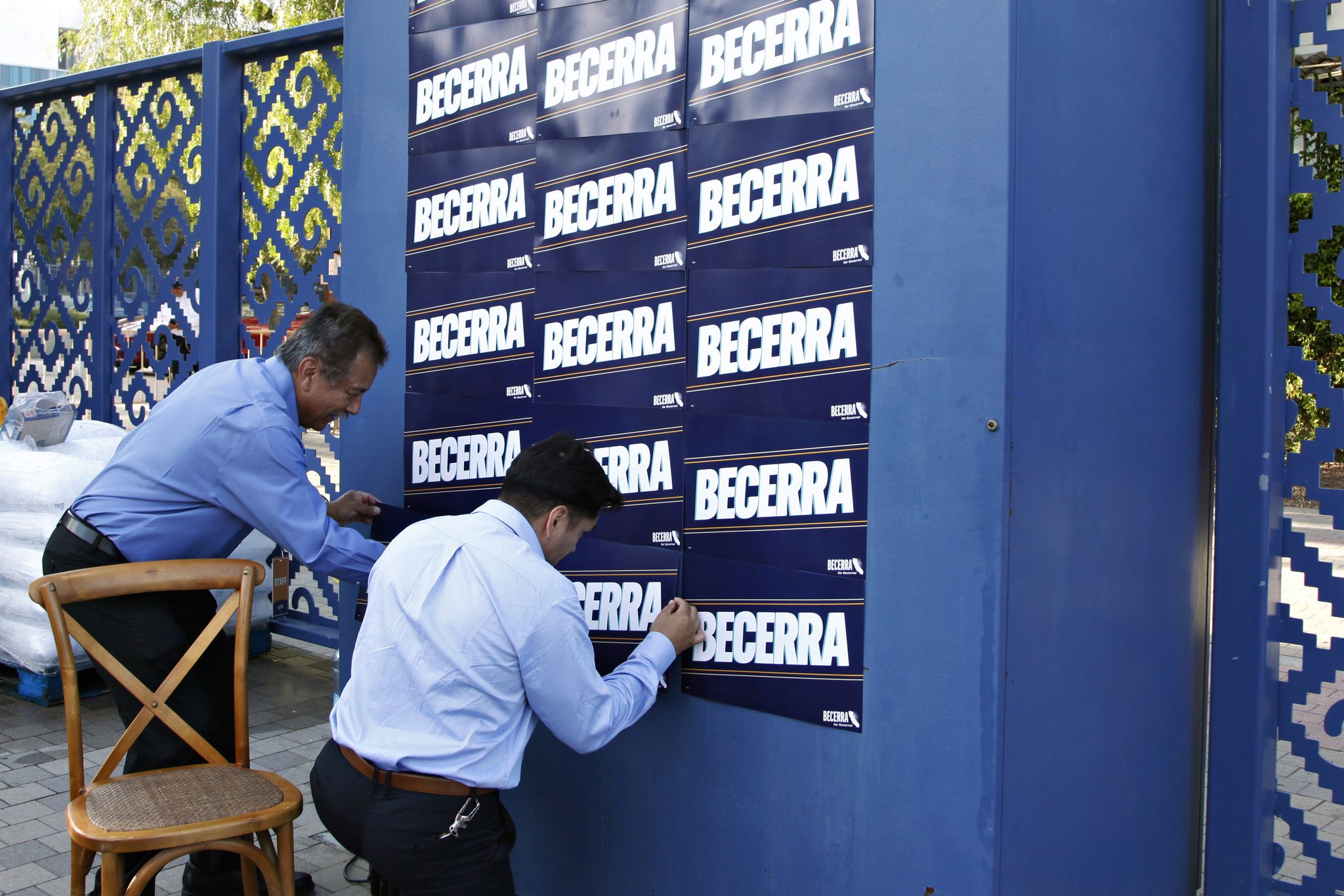
California’s primary election is in its final stretch, with polls closing in less than an hour. The stakes couldn’t be higher, especially in the Bay Area and Los Angeles, where two high-profile races could hinge on turnout and shifting voter priorities. Among the most watched contests is the battle between Xavier Becerra and Tom Steyer, two Democrats locked in a tight race that reflects deeper divides within the party. But this election isn’t just about one race—it’s a snapshot of California’s political soul, where progressive dreams and pragmatic realities collide. For ordinary voters, the outcome will shape everything from healthcare to housing, and the ripple effects could last for years.
Who are Becerra and Steyer, and why does this race matter?
Xavier Becerra, California’s outgoing Attorney General, is a career politician with deep ties to the Democratic establishment. He’s framed himself as a defender of reproductive rights and a champion of immigrant communities, but critics argue he’s been too cautious on issues like police reform and corporate accountability. Tom Steyer, a billionaire activist turned politician, has poured millions into his campaign, positioning himself as a bold progressive who will take on corporate greed and climate change. Their clash isn’t just about policy—it’s about the future of the Democratic Party in California.
For voters, the choice between Becerra and Steyer could mean the difference between incremental change and a more aggressive push for systemic reform. 
How the Bay Area and L.A. could decide the race
The Bay Area and Los Angeles are California’s political powerhouses, home to millions of voters whose preferences often set the tone for statewide races. In the Bay Area, progressive activism runs deep, with many voters prioritizing climate action and social justice. Los Angeles, meanwhile, is a battleground of competing interests—from wealthy homeowners resistant to density to renters desperate for affordable housing. Both regions could swing the race depending on who turns out and which issues dominate the conversation.
Early voting data suggests that turnout is high, but enthusiasm is uneven. In progressive strongholds like Oakland and San Francisco, Steyer’s message of bold reform might resonate. In more moderate areas, like parts of the Peninsula or Orange County, Becerra’s establishment credentials could give him an edge. The wild card? Undecided voters and third-party candidates who could siphon support from either side. 
What’s at stake for ordinary Californians
Beyond the Becerra-Steyer showdown, this primary is a referendum on California’s direction. The governor’s race alone is a free-for-all, with candidates from Gavin Newsom to a Republican outsider like Brian Dahle vying for the top spot. But the ripple effects extend far beyond the ballot. Housing costs, healthcare access, and climate policy are all on the line, and the outcome of this primary could determine which issues get priority in the general election.
For working-class families, the stakes are personal. Rising rents and stagnant wages have made housing a top concern, while the cost of healthcare remains a burden for many. Progressive candidates argue for bold solutions like Medicare for All and rent control, while moderates push for incremental reforms. The question is whether voters believe the system can be fixed from within—or if it needs a complete overhaul. 
Perspectives from the ground: who’s showing up and why
Talk to voters in different parts of the state, and you’ll hear a mix of hope and frustration. In Los Angeles, organizers with groups like United Teachers Los Angeles have mobilized around issues like public education funding and immigrant rights, seeing this primary as a chance to push their agenda. In the Bay Area, climate activists are laser-focused on Steyer’s environmental record, while others worry that his wealth could skew his priorities. Meanwhile, in conservative-leaning areas, voters are more concerned with crime and taxes, issues that rarely get the same attention in statewide races.
The diversity of these perspectives highlights the complexity of California’s political landscape. Some voters are energized by the prospect of a new generation of leaders, while others are skeptical of anyone who hasn’t spent years in the trenches. What’s clear is that no single issue or candidate can claim to represent the entire state. The outcome will depend on which voices are loudest—and which voters are willing to show up.
My take: a moment of reckoning for California
This primary feels like a turning point, not just for California but for the Democratic Party as a whole. The Becerra-Steyer race is more than a contest between two men—it’s a battle over the soul of progressivism. Do we play it safe, or do we take risks? Do we trust the system, or do we demand something new? For me, the answer isn’t simple. I admire Becerra’s record on civil rights, but I’m drawn to Steyer’s willingness to challenge the status quo. What I know for sure is that this election will reveal where California’s heart truly lies.
Regardless of the outcome, one thing is certain: the energy in this race won’t fade after the polls close. Whether it’s the fight for housing, the push for climate action, or the struggle to make healthcare accessible, the debates sparked by this primary will continue. And for the millions of Californians watching, the real work begins now—holding whoever wins accountable to the promises made on the campaign trail. 
Please log in to join the discussion